
What to do in Belize: A Real-World Guide
If you’re trying to figure out what to do in belize, here’s the honest starting point: Belize is small, but it’s not “simple.” It’s more like two trips stitched together—jungle and caves inland, then reef and cayes on the coast. You can absolutely do only one side. But most travelers I’ve talked to (and, frankly, most people I’ve watched plan this trip) end up happiest when they do a bit of both, even if they originally wanted to stay put and “keep it easy.”
This guide is built for independent travelers—solo, couples, friends, and families who want practical options, realistic pacing, and a few gentle nudges on what’s actually worth prioritizing. Not every day needs to be epic. But Belize is the kind of place where one truly good day (say, snorkeling a marine reserve or going deep into an archaeological cave) can anchor the whole trip.
What Belize is best at (and what that means for your trip)
Belize has three “headline” strengths, and your planning gets easier once you accept them as the backbone:
- The reef: The Belize Barrier Reef is the big draw, and it shapes everything around the cayes and coastal towns. A lot of classic Belize days involve a boat, a mask, and that half-salty, half-sunscreen feeling. Hol Chan Marine Reserve, for example, sits just a few miles south of San Pedro and is widely known as a top snorkeling zone. It’s also Belize’s first marine reserve, legislated in 1987, which tells you how important it is locally.
- Caves with a story: Belize isn’t just “has caves.” It has caves that are deeply tied to Maya history and ritual. Actun Tunichil Muknal (ATM) is the famous one, and it’s not a casual stroll—it’s a guided adventure that combines hiking, water crossings, and time inside a sacred site.
- Maya sites in real jungle: Places like Caracol aren’t sitting right off a highway with a gift shop vibe. Caracol is deep in the Chiquibul Forest Reserve area and is described by Belize’s tourism authority as one of the largest Maya sites in the country, with major structures like Caana (“Sky Place”).
Those three themes—reef, caves, ruins—show up again and again in the best itineraries. You can sprinkle in wildlife sanctuaries, cultural villages, and lazy beach days, of course. But if you’re overwhelmed, come back to these.
What to do in belize: the “menu” of top experiences
Instead of a massive list that makes everything sound equally essential (it isn’t), here’s a menu with context. Read it like you’re choosing meals for a week: a couple of big ones, a few lighter ones, and at least one day where you do nothing ambitious on purpose.
Snorkel Hol Chan (and decide how brave you feel)
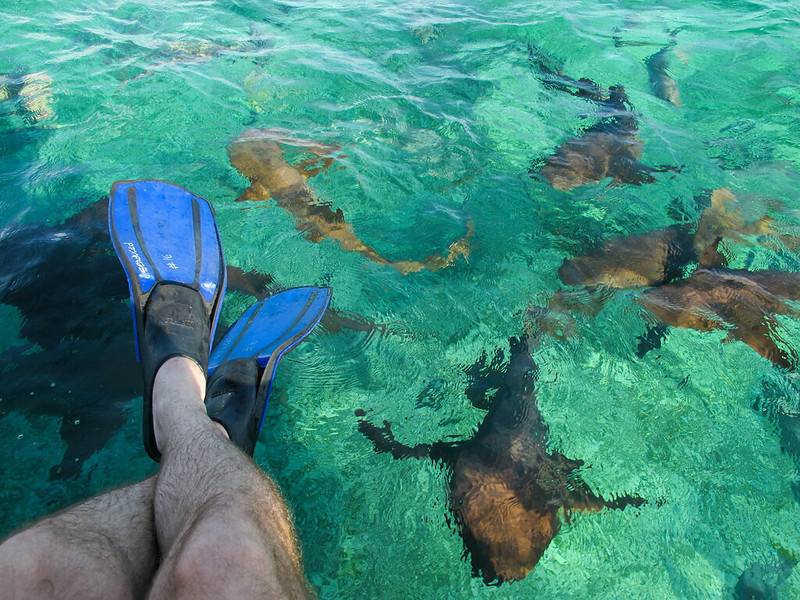
Hol Chan Marine Reserve is one of the most popular snorkeling areas in Belize, located about four miles south of San Pedro on Ambergris Caye. It’s known as a “little channel” cut through the reef, and the reserve includes multiple zones—reef, seagrass beds, mangroves, and the Shark Ray Alley area. In practical terms, that means you’re not just seeing “reef fish.” You’re moving through different habitats, which tends to make the day feel fuller.
If you’re a confident swimmer, the Shark Ray Alley pairing is often what people remember most. If you’re not a confident swimmer, that doesn’t mean you should skip it—just choose an operator that takes safety seriously, ask about flotation devices, and be honest about your comfort level. Belize tours are used to first-timers.
While planning your reef days, it can help to read a dedicated comparison of the islands—especially if you’re debating vibe and logistics—so it’s worth bookmarking this: Ambergris Caye vs Caye Caulker: what to choose.
Do the ATM Cave (but treat it like a “big day”)
ATM Cave—Actun Tunichil Muknal—has a reputation that’s almost too intense. People call it the best thing they did in Belize, and then they immediately add, “but it’s tiring.” Both are true. Visiting ATM typically involves a guided hike to the cave area, a short swim into the entrance, and then a few hours navigating chambers that contain Maya artifacts and ceremonial remains. This is not a place to go unguided, and it’s not a great day to plan right after a late night.
If you’re a little nervous about tight spaces or the idea of being in water inside a cave, you’re not alone. Many travelers are hesitant right up until they’re there. Still, if you have major claustrophobia, it’s okay to pick a different cave experience—Belize has plenty. I think the key is to be realistic about your limits rather than forcing yourself into something just because it’s famous.
If you want a deeper breakdown of the inland options (and the “which tour is best for who” nuance), the guide will help: best things to do near San Ignacio, Belize.
Explore Caracol if you want ruins that feel remote
Caracol is the kind of Maya site that makes you understand why people fall in love with Belize’s inland side. Belize’s official tourism site describes Caracol as one of the largest Maya sites in Belize, covering nearly 25,000 acres, and highlights Caana (“Sky Place”) as a major structure with expansive jungle views. It’s in the Cayo District, deep in forest, and it tends to feel like an expedition day rather than a casual outing.
One small planning note that matters: Caracol is far enough that most people do it as a full-day trip from San Ignacio, often bundled with stops in the Mountain Pine Ridge area depending on road conditions and timing. If you’re trying to keep your trip “low effort,” Caracol might not be your first pick. But if you like that sense of distance and scale, it’s hard to beat.
Build in an easy reef day (yes, even if you’re “not a beach person”)
I’ll admit something mildly contradictory here: Belize is not my favorite destination for “lie on the beach and do nothing” travel, and yet… it’s excellent for slow days. The trick is to make the slowness feel intentional. A short snorkel trip in the morning, a long lunch, a sunset walk, and an early night can be exactly what you need between bigger adventure days like ATM or Caracol.
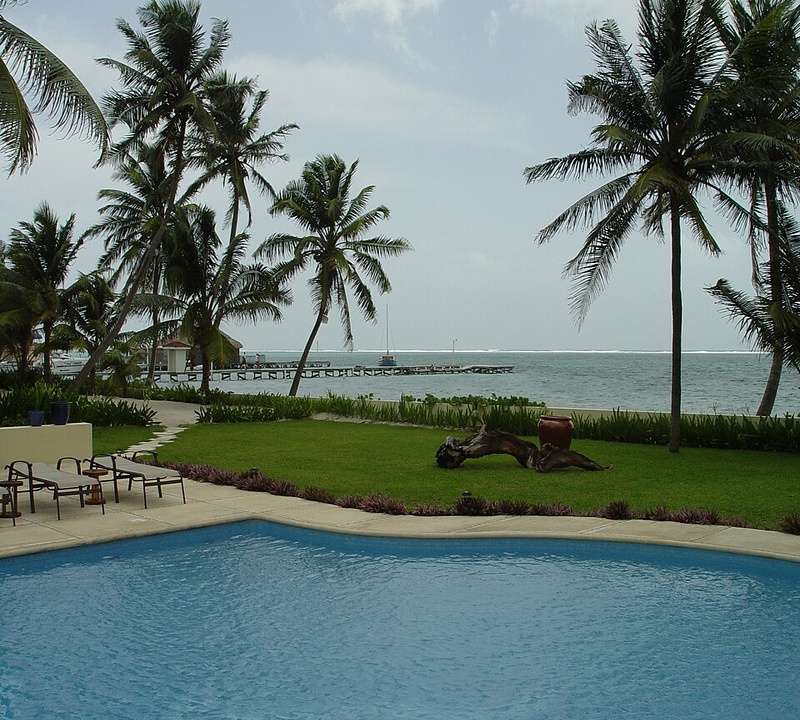
This is also where your choice of base matters. Ambergris Caye is convenient and tour-heavy; Caye Caulker tends to be calmer and more minimal. And if you’d rather skip islands entirely, Placencia and Hopkins can give you water access with a different pace.
Where to base yourself (so you don’t spend the trip in transit)
People sometimes plan Belize like they’re planning a road trip with endless stops. It usually backfires. Belize works best with 2 bases—maybe 3 if you have time and you genuinely enjoy moving around.
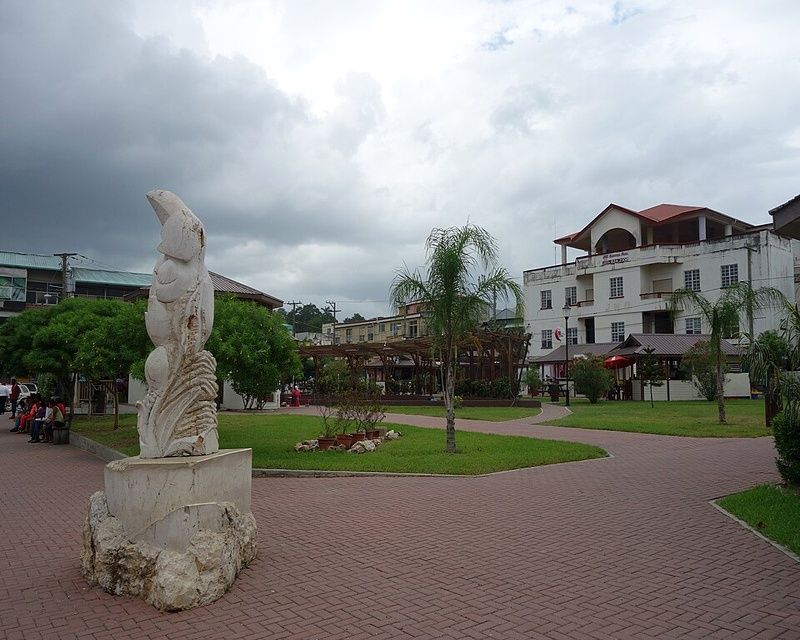
San Ignacio (Cayo): caves, ruins, jungle logistics
San Ignacio is the inland hub most travelers use for ATM, Caracol, and other Cayo District activities. It’s also one of the easiest places to find guides, shuttles, and day tours without feeling locked into a resort schedule. If the trip you’re imagining includes caves and Maya sites, start here.
Ambergris Caye (San Pedro): convenience and reef access
San Pedro is a common base for reef trips, including Hol Chan Marine Reserve, which sits a few miles south of town. If you want variety in restaurants and tour operators, and you like a busier feel, Ambergris is often a good match.
Caye Caulker: relaxed snorkeling days
Caye Caulker is often chosen by travelers who want a slower rhythm and easy access to snorkeling tours. It’s not that there’s “nothing to do”—it’s that the island vibe encourages you not to over-schedule yourself. Some people find that perfect. Others get restless on day three. Both reactions are normal.
Placencia or Hopkins: a different kind of coast
Placencia and Hopkins can be great if you want coastal time without committing to island life, and if you’re interested in culture and community alongside water activities. They’re also useful stepping stones if your itinerary is longer and you want Belize to feel less like a checklist.
Itineraries that feel realistic (not heroic)
These are templates, not rules. Swap days. Rest more than you think you need. Belize is warm, tours start early, and “I’ll just power through” tends to sound better at home than it feels in the humidity.
3–4 days in Belize: one inland, one caye
- Day 1: Arrive, transfer to San Ignacio, easy evening.
- Day 2: ATM Cave (early start, big day).
- Day 3: Transfer to Ambergris Caye or Caye Caulker; sunset + food.
- Day 4: Snorkel Hol Chan (or an easier snorkel day if you’re tired).
7 days in Belize: the classic split
- Days 1–3: San Ignacio base (ATM + one ruins day + one flexible jungle day).
- Days 4–7: Island base (Hol Chan + one slower day + optional second snorkel/dive day).
If you want the inland segment to be more specific—like “what to do if you skip Caracol” or “what to do if you hate early mornings”—use this as your next tab: best things to do near San Ignacio, Belize.
10–14 days in Belize: add depth (and breathing room)
- San Ignacio (4–5 nights): ATM + Caracol + a lighter nature day.
- Islands (4–5 nights): reef focus, mix of tour days and slow days.
- Placencia/Hopkins (2–4 nights): coastal downtime and culture, plus any boat trips you didn’t want to squeeze into the island portion.
Belize City: stopover or mini-trip?
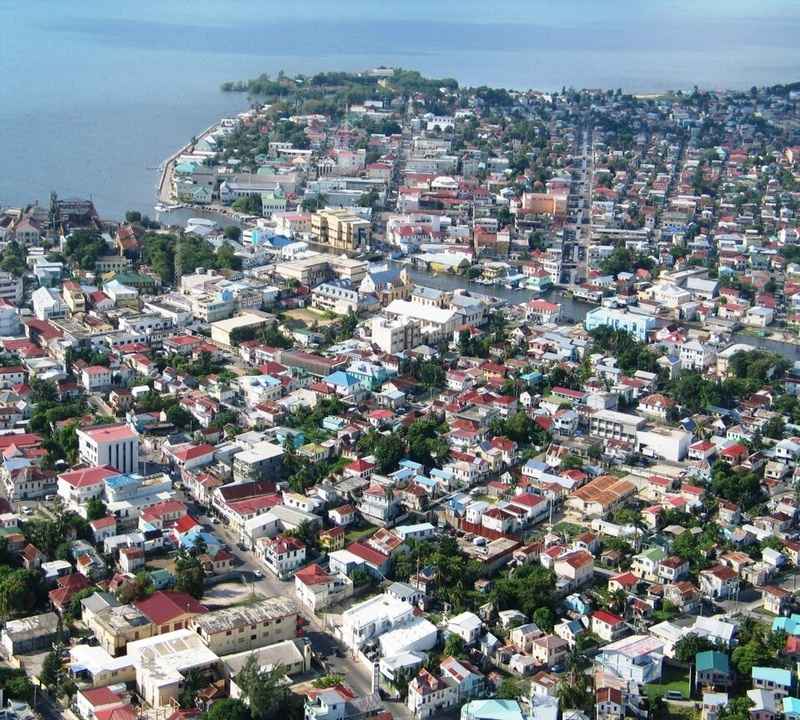
Belize City gets treated like a place you rush through. Sometimes that’s fair—especially if you land and immediately head inland or to the water taxi. But if you have a night to spare, it can also be a practical, interesting stop that adds texture to your trip.
Lonely Planet highlights Belize City sights like the Museum of Belize, St John’s Cathedral, and the Swing Bridge, and it also frames the city as a launch point for day trips (for example, Altun Ha or Crooked Tree). If you’re the kind of traveler who likes a bit of history and local context before disappearing into jungle or reef life, Belize City can work surprisingly well.
For a detailed, walkable 1–2 day plan (with the kind of “where this feels comfortable” nuance travelers actually need), use this post: top things to do in Belize City (1–2 days).
Practical planning tips (the stuff that saves the trip)
Book the “limited” days first
Not everything in Belize needs to be booked weeks ahead. But some things are easier when you plan early—especially ATM Cave, which is guide-led and logistically involved. My suggestion is to lock in your ATM day first, then your top reef day (Hol Chan or a similar marine reserve/snorkel plan), and then fill the gaps with flexible activities like local ruins, food stops, or beach time.
Be honest about water comfort
This comes up constantly in Belize. Snorkeling trips are often beginner-friendly, and ATM includes swimming at the cave entrance, but comfort levels vary a lot. If you’re not a confident swimmer, don’t quietly panic on the day—tell the operator in advance and ask what support is available. Most reputable tours are prepared for this, and it changes the experience from stressful to genuinely fun.
Don’t underestimate travel time (even when distances look short)
Belize can look tiny on a map. And it is, in a sense. But transfer days still eat time: packing, shuttles, ferries, waiting around, getting oriented. If you only have a week, two bases is usually enough. Three bases can be done, but it starts to feel like you’re constantly “in motion” rather than “in Belize.”
Weather isn’t a footnote
On the reef side, conditions can change what’s comfortable or even possible. Inland, rain can make some roads and hikes slower. It doesn’t mean the trip is ruined—Belize is used to weather—but it’s a reason not to schedule every day as a non-refundable, once-in-a-lifetime excursion.
Quick FAQs (because everyone asks)
Is Belize worth it if you don’t dive?
Yes. The reef is a huge draw, but Belize’s inland experiences—especially ATM Cave and major Maya sites like Caracol—stand on their own as a full trip. Snorkeling can also give you a lot of the reef magic without needing scuba certification.
Ambergris Caye or Caye Caulker?
If you want convenience, more dining choice, and lots of operators, Ambergris often wins. If you want a slower pace and a simpler “wake up, snorkel, eat, repeat” rhythm, Caye Caulker often feels better. If you’re stuck, read this and you’ll probably know your answer by the end: Ambergris Caye vs Caye Caulker: what to choose.
How many days do you need in Belize?
Three to four days can give you one great inland experience and one great reef day. Seven days feels comfortable for a classic split. Ten to fourteen days is when Belize starts to feel less like highlights and more like a place you understand a little—your favorite meals, the small routines, the quiet mornings.
Conclusion: choosing what to do in belize
The best answer to what to do in belize is a little personal, which is annoying and also kind of the point. If you’re most alive when you’re moving—hiking, climbing, swimming, learning—go heavier on San Ignacio and make ATM and Caracol your anchors. If you want your days to feel lighter, saltier, and more open-ended, build your trip around the cayes and make Hol Chan the centerpiece.
And if you’re still undecided, here’s a simple compromise that rarely disappoints: pick one “big” inland day, one “big” reef day, and leave enough space around them so you’re not exhausted while you’re doing the very things you came for.