Things to do in Aruba: a real-world guide
Looking up things to do in aruba is a little funny, because the island is small enough that you can “do it all”… and yet it’s also easy to do Aruba in a way that feels oddly rushed. One moment you’re floating in calm, clear water, and an hour later you’re bouncing along a rough track wondering if you made a terrible decision (or the best one). That mix—beachy ease and rugged, desert-like adventure—is kind of the point.
This guide is built for travelers who want the classics (yes, the beaches) but also want the Aruba that surprises you a bit: wild coastline, cactus landscapes, murals in a town you might have skipped, and a shipwreck you can snorkel above without being a hardcore diver. I’ll keep it practical—what’s worth it, what’s overhyped, and how to stitch it together into a trip that feels relaxed instead of frantic.
How to choose your Aruba (before you overbook)
If planning tends to spiral (it happens), start by picking a “trip style.” You can still change your mind later—most people do—but it helps you choose experiences that actually fit together.
- First-timer, want the highlights: One beach day, one Arikok day, one snorkeling/sailing day, one town/murals day.
- Mostly chill: Beaches, sunset dinners, short scenic stops, maybe one half-day tour.
- Adventure-forward: Arikok National Park, Natural Pool (Conchi), off-road routes, hiking, and a “wild north coast” day.
- With kids or mixed ages: Calm beaches, short activities, early starts, and built-in shade breaks.
- Budget-aware: Public beaches + viewpoints + self-guided walks, with one paid “splurge” tour.
A small note that feels obvious and yet matters: Aruba’s sun can be relentless. Even “easy” days feel harder if you plan them at midday with no shade strategy. It’s not glamorous, but a hat and a water bottle can genuinely change your mood.
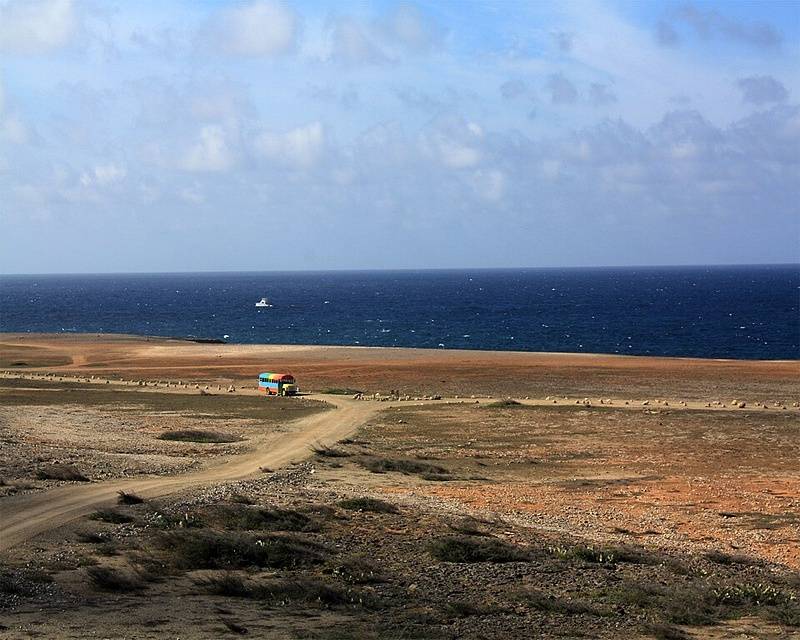
things to do in Aruba for nature lovers
If Aruba were only resorts and calm water, it would still be a great trip. But the island’s character really shows up when you head into the rougher interior and the wilder coastline—especially inside Arikok National Park and around the Natural Pool.
Arikok National Park: the Aruba that doesn’t look like Aruba
Arikok National Park is the big nature anchor on the island. Think cacti instead of palm trees, limestone and volcanic rock, caves, and a coastline that looks dramatic in a totally different way than the postcard beaches. It’s not just “nice to have”—it’s often the day people remember most, even if they complain about the bumpy roads afterward.
How to do it well (without turning it into an endurance test):
- Start early. Morning light is better, temperatures are kinder, and you’ll feel less rushed.
- Decide: self-drive or guided. Some routes to major sights are rough enough that a regular car isn’t a great idea, and inexperienced drivers are often advised to go with a jeep safari rather than attempting it on their own.
- Pack like you mean it: water, sun protection, closed-toe shoes, and a basic first-aid kit (even if you never touch it).
- Plan “two big stops,” not ten small ones. Arikok is more enjoyable when you leave space for slow moments—short hikes, cave visits, or just stopping to look at the landscape.
If you want a deeper, step-by-step plan with packing lists, route logic, and the “what people forget” details, build it around this dedicated guide: Arikok National Park planning guide for Aruba.
The Natural Pool (Conchi): worth it, but don’t wing it
The Natural Pool—often called Conchi—is one of Aruba’s most famous nature sights, and it’s located inside Arikok National Park. It’s basically a natural depression protected by rock, forming a tide pool on a rugged stretch of coast. When waves crash and water sprays over the rocks, it’s beautiful in a slightly wild, “nature is in charge” way.
The key detail most quick lists leave out: the Natural Pool sits in rough terrain and is not accessible by a conventional car. Aruba’s official tourism info explicitly notes that inexperienced drivers are encouraged to visit via a Jeep Safari, and that you can reach it on foot, horseback, or by 4×4. That’s the difference between a great day and a stressful one.
A realistic approach: If you love the idea of the Natural Pool but don’t love the idea of rough driving, book a guided option and enjoy the ride for what it is. If you’re set on hiking, treat it like a proper hike—start early, carry enough water, and don’t assume cell service will save you from poor planning.
For a dedicated deep dive (including the “is it safe today?” mindset and what to pack), link this when you’re ready: Natural Pool (Conchi) inside Arikok: what to know before you go.
Casibari and Aruba’s rock formations (quick, easy, surprisingly fun)
Not every nature stop needs to be an expedition. Aruba’s rock formations are the kind of place you can fit into an otherwise lazy beach day, and I think that’s underrated. You show up, climb around, take photos, and feel like you did something other than move from lounge chair to lunch.
If you’re traveling with people who don’t want a full Arikok day, rock formations are a good compromise: low commitment, still scenic, and you’re back to your air-conditioning pretty quickly.
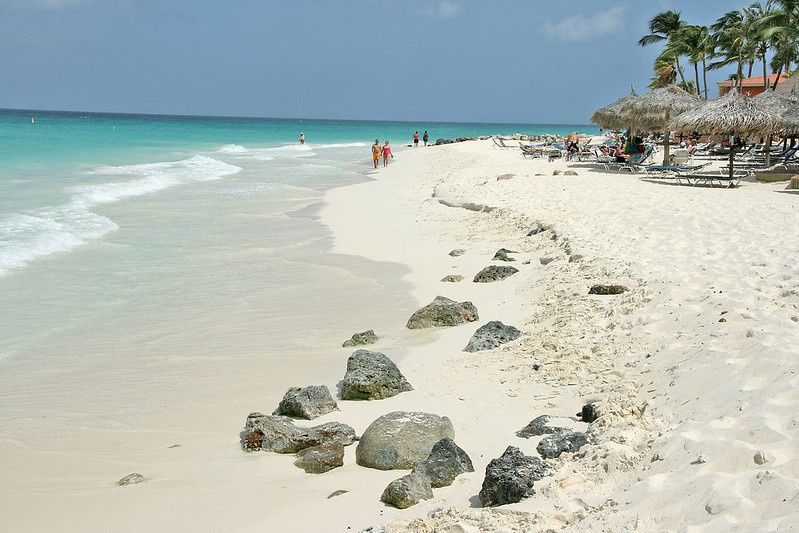
Best beaches in Aruba (and which one fits you)
Aruba’s beaches are not all interchangeable. They can look similar in photos, but they feel different in real life—crowds, wind, convenience, and water conditions all change the vibe.
Eagle Beach vs Palm Beach vs Baby Beach
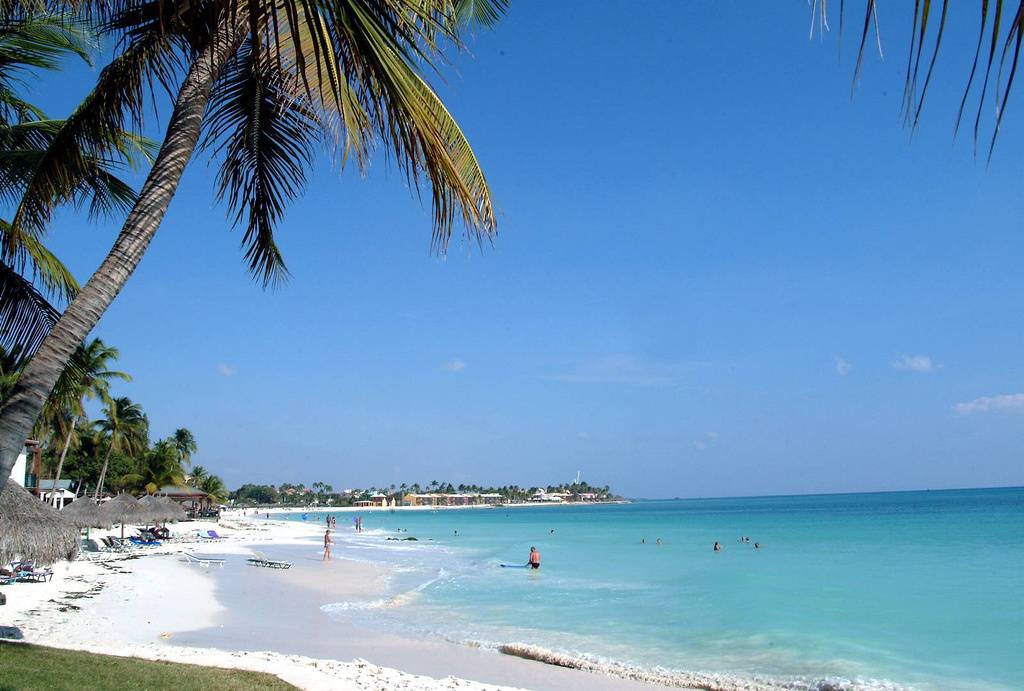
- Eagle Beach: Often the “iconic Aruba beach” choice—wide sand, great for long walks, and usually a calmer, less hectic feel than the main resort strip.
- Palm Beach: The social, resort-centered option. If you want water sports, a busy boardwalk feel, and easy access to restaurants, this is the obvious pick.
- Baby Beach: A favorite for calm, shallow water—especially if you have kids or you just want an easy swim without waves.
Small but helpful beach advice: pick one “base beach” near where you’re staying and one “destination beach” you make an outing. It sounds simple, but it prevents the classic mistake of spending half your vacation in traffic and parking lots because you’re trying to sample everything.
Aruba snorkeling, sailing, and the famous shipwreck
If you like being on the water, Aruba makes it easy. There are plenty of sail-and-snorkel options, and the conditions are often friendly for beginners—though wind can change the experience, so it’s smart to keep your schedule flexible.
Snorkel the SS Antilla shipwreck (yes, it’s a big deal)
The SS Antilla is Aruba’s headline shipwreck, and snorkeling above it is popular for a reason: it’s massive, it sits in relatively shallow water, and you can get those “I can’t believe I’m seeing this” moments without doing a full scuba dive. Aruba’s official tourism content even calls out that snorkeling above the Antilla is a popular activity, and that shipwreck snorkeling tours are readily available.
If you want a practical, spot-by-spot breakdown (including what to expect, what to bring, and how to choose between tours), this post is where the details live: Aruba snorkeling: SS Antilla, Boca Catalina, and more.

Catamaran cruises: the easiest “vacation day” you’ll have
I’m slightly biased toward a catamaran day, even for people who think they “don’t do tours.” It’s just easy. Someone else handles the logistics, you get multiple snorkel stops, and you don’t have to think too hard. And honestly, not thinking too hard is sometimes the best part of a beach vacation.
If you’re prone to motion sickness, choose a morning trip when the sea can feel calmer, eat lightly beforehand, and bring whatever works for you. This isn’t a moral failing; it’s just your inner ear having opinions.
Beginner-friendly shore snorkeling
Not everyone wants a boat day. If you’re a confident swimmer, Aruba also has areas that are popular for snorkeling close to shore. The tradeoff is that you’ll want to pay attention to conditions and entry points—some spots are easy, some are awkward, and it’s not always obvious from photos.
When in doubt, ask your hotel, a local shop, or a reputable tour operator what conditions are like that day. It’s a small question that can prevent a frustrating session in choppy water.
Oranjestad and easy cultural stops
Oranjestad is Aruba’s capital, and it’s worth seeing even if you’re not a “city traveler.” It’s compact enough to do in a half day, and it gives you a different texture than the beach-resort loop: colorful architecture, shops, and an easy walk-around feeling.
If you’re trying to keep the day relaxed, go early, do a slow wander, then retreat to the beach before the heat peaks. That pattern—early activity, midday rest, late-day beach—works in Aruba more often than people expect.
San Nicolas murals: the artsy detour that pays off
San Nicolas is often described as Aruba’s cultural capital, and the murals are the big reason travelers make the trip. Aruba’s tourism site notes it’s around a 30-minute drive from Oranjestad, buses run several times an hour, and it’s easy to combine mural-watching with lunch (and even an afternoon at nearby Baby Beach). That kind of “stacking” makes a day feel full without feeling exhausting.
I’d also say this: murals are a surprisingly good “travel reset.” You wander, you look up, you take photos, you don’t sweat the checklist. It’s sightseeing that doesn’t demand too much from you.

Free and low-cost things to do (that still feel special)
Aruba can be expensive if every day is a paid activity. But it doesn’t have to be. Some of the best moments are free: a long beach walk, a viewpoint stop, a self-guided photo loop, a sunset you didn’t schedule.
- Public beach days: Pick a beach, bring snacks, and treat it like an event.
- Sunset watching: It’s simple, but it’s also… genuinely one of the best “activities” on the island.
- Self-guided town wandering: Oranjestad in the morning, San Nicolas in the late morning, then beach time.
- Viewpoints and short walks: Aruba’s landscape changes quickly; short stops add variety without big cost.
If you want a curated list with the “how to do it” details (what’s truly free, what has hidden costs like parking or entry fees, and what’s best at which time of day), use this link naturally when you expand your site: free things to do in Aruba.
things to do in aruba with kids (or just with lower-energy travelers)
Aruba is pretty family-friendly, but the best family days are the ones that don’t try to prove anything. Short drives. Calm water. Shade breaks. And one “big” activity that everyone agrees on.
- Choose calm-water beaches: Baby Beach is a common go-to for shallow, calmer swimming.
- Keep Arikok realistic: You can still do it, but plan fewer stops and consider a guided jeep option so the driver isn’t stressed the whole time.
- Plan around attention spans: Murals + lunch + beach works better than an all-day museum-style plan (and Aruba isn’t really a museum-heavy destination anyway).
And yes, you can still have an “adventure day.” Just make it an early start with an easy afternoon. It’s not less ambitious; it’s smarter.
Sample itineraries (steal these, adjust them, enjoy)
These are meant to be flexible. Swap days if it’s windy, if you’re tired, if you unexpectedly love a beach and want to go back. The best Aruba trips have a little repetition.
3 days in Aruba (no car, minimal friction)
- Day 1: Palm Beach or Eagle Beach + a simple sunset plan.
- Day 2: Catamaran/snorkel day (or a shorter boat trip).
- Day 3: Oranjestad in the morning + easy beach afternoon.
5 days in Aruba (with a car)
- Day 1: Settle in + your closest beach.
- Day 2: Arikok National Park (early start; don’t overpack the schedule).
- Day 3: SS Antilla snorkeling day (boat or planned shore snorkeling).
- Day 4: San Nicolas murals + Baby Beach afternoon.
- Day 5: Repeat your favorite beach + one easy scenic stop.
7 days in Aruba (slow travel, the good kind)
- Day 1–2: Two different beaches (get a feel for the island’s pace).
- Day 3: Arikok + Natural Pool (choose guided if you want the day to feel smooth).
- Day 4: Easy day: Oranjestad + sunset.
- Day 5: Snorkeling/boat day.
- Day 6: San Nicolas murals + Baby Beach.
- Day 7: A “no plans” day that turns into your favorite day.
Practical tips that save your trip (quietly)
- Do the hardest day earliest. If Arikok and the Natural Pool are on your list, plan them before you settle into full beach mode.
- Assume the sun is stronger than you think. Reapply sunscreen more than you feel you need to.
- Don’t chase every “hidden gem.” Aruba is small, but travel time adds up, and some “gems” are just rocks with a marketing team.
- Book 1–2 tours max. Tours are great, but Aruba also shines when you leave space for unplanned time.
Conclusion
If you’re trying to narrow down the best things to do in aruba, the simplest answer is: pick one big nature day (Arikok National Park and, if conditions and logistics make sense, the Natural Pool/Conchi), add one water day (snorkeling—ideally including the SS Antilla), and let the rest of the trip be beach time with a few cultural detours like Oranjestad and the San Nicolas murals. That’s the balance Aruba does really well.
And if the plan shifts once you arrive—maybe you fall in love with one beach, or you decide you’re not in the mood for bumpy roads—that’s not a failure. It’s normal. Aruba is forgiving like that, which is probably why people keep coming back.ith kids