
What to do in Tenerife: A Real-World First Timer Guide
If you’re Googling what to do in tenerife, chances are you’re stuck between two different trips. One is all beaches, easy dinners, and the kind of sunshine that makes you forget what month it is. The other is forests, volcanic landscapes, and little towns where you sit down “just for a coffee” and somehow it becomes lunch.
Tenerife can be both. It’s just… not always both in the same day, unless you plan it with a bit of realism. Distances aren’t huge, but road time adds up. And the island has enough variety that you can accidentally over-schedule and end up seeing more parking lots than viewpoints. I’ve done versions of that. It’s not ideal.
This guide is built like a practical conversation: the unmissable stuff first, then the “choose your own adventure” options based on where you’re staying and how you like to travel.
Quick choices before you overthink it
Here’s the honest fork in the road: North Tenerife tends to feel greener and more “local,” while South Tenerife is usually sunnier and set up for straightforward holidays (resorts, beaches, big attractions). The great news is you can mix them. The slightly annoying news is you’ll enjoy it more if you accept that a few early starts are worth it.
North vs south: where should you base yourself?
If you’re deciding where to sleep, start with this: if you want beach days and convenience, base yourself in the south (Costa Adeje / Los Cristianos area). If you want culture, mountain scenery, and a calmer rhythm, consider the north (Puerto de la Cruz / La Laguna area). I think split-stays are underrated here—two bases can make the island feel twice as relaxing.
There’s a deeper breakdown (including “best if you don’t want a car”) here: Tenerife north vs south: where to stay.
How many days do you need?
- 3 days: One volcano day, one green-mountains day, one beach/town day.
- 5 days: Add a boat/wildlife day and a north-coast towns/natural pools day.
- 7 days: Split your stay (north + south) or at least plan two “slow” days so it doesn’t become a checklist.
The unmissable experiences (even if you hate lists)
Some places in Tenerife are genuinely hard to replace with alternatives. You can swap one beach for another and still have a good time. But you can’t really swap the feeling of standing on volcanic terrain, or suddenly driving into a pocket of misty forest that looks like it belongs on a different island.
Teide National Park: the “wow” moment
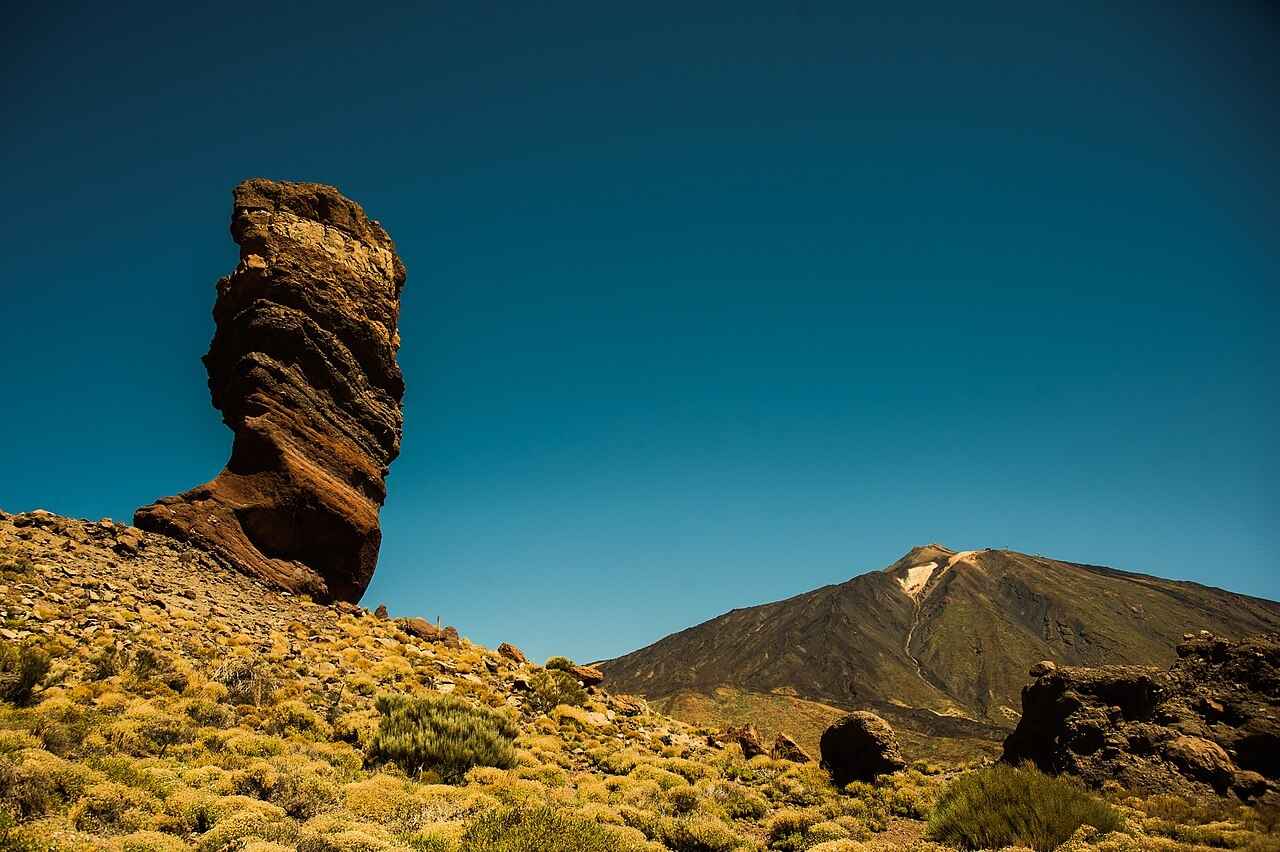
Teide National Park is one of those places where photos don’t fully explain the scale. The landscapes are stark and dramatic, and even the drive can feel like an attraction. If you’re staying in the south, it’s an easy “big day out.” If you’re staying in the north, it can be even quicker depending on your route.
Two practical notes that sound boring until they save your day: bring layers (it can feel surprisingly cold or windy up there), and don’t assume you’ll have phone signal everywhere. If you want a simple, step-by-step plan (sunset timing, stargazing options, what to pack), this is worth reading before you go: Teide day trip + stargazing tips.
Anaga Rural Park: Tenerife’s green side
Anaga is the antidote to “Tenerife = beaches.” It’s lush, hilly, and full of viewpoints where the clouds move fast enough that the scenery changes while you’re standing there. It’s also a place where roads can feel narrow and parking can be… optimistic. So it’s not a bad idea to choose one main hike or one main viewpoint, then let the rest be flexible.
If your trip is short, Anaga is the north-side experience I’d prioritize. It gives you contrast, and contrast is what makes Tenerife feel special.
Los Gigantes cliffs: big scenery, low effort
Los Gigantes is a great “high reward, not too demanding” stop. The cliffs are striking from viewpoints, and they’re also impressive from the water—especially if you pair it with a boat trip. If you’re traveling with someone who’s not keen on long hikes, this is a useful win.
What to do in Tenerife north (the slower, greener itinerary)
The north is where Tenerife leans into its towns, viewpoints, gardens, and that slightly cooler, greener atmosphere. It’s also where you can have a day that feels “full” without doing anything extreme. Personally, I like that. Not every day needs to be a mission.
La Laguna: a culture day that actually feels easy
San Cristóbal de La Laguna is made for wandering. You show up, walk around, stop for coffee, drift into little shops, and suddenly it’s late afternoon. It’s a good antidote to the south’s high-energy resort zones, and it’s especially nice if you’re balancing hiking days with “rest-but-not-boring” days.
Garachico: natural pools and a different kind of swim
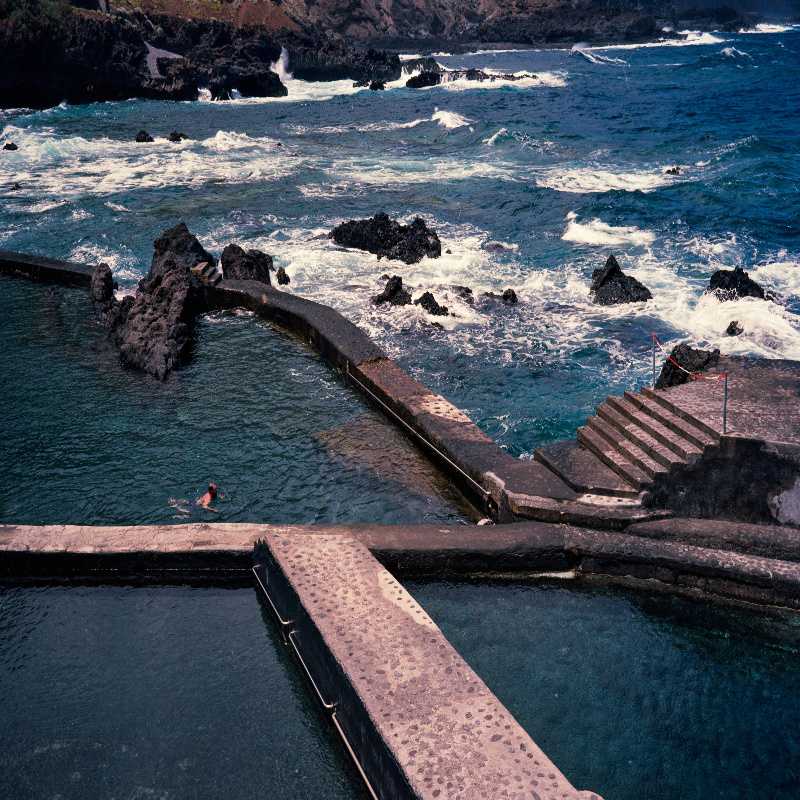
Garachico is famous for its natural lava pools, which can be a really satisfying change from typical beaches. A quick reality check, though: ocean conditions matter. On rough days, it’s not the place to force a swim just because it’s on your itinerary. If you want to plan swimming spots around conditions, keep a running list of options instead of one single “must.”
If you’re building that list, you’ll want this guide bookmarked: best beaches and natural pools in Tenerife.
Icod de los Vinos: pair it with something else
Icod de los Vinos is one of those stops that works best as part of a north road day rather than a standalone mission. Combine it with Garachico, a viewpoint or two, and maybe a late lunch. The point isn’t to “do everything.” It’s to string together a day that feels varied but not frantic.
Puerto de la Cruz: a solid base if you want variety
Puerto de la Cruz can be a practical north base: you can do coastal walks, enjoy gardens, and day-trip to other north highlights without repacking every night. It won’t be everyone’s favorite (some people want smaller villages), but it’s convenient in a way that’s easy to underestimate until you’re tired.
Guachinches: the north’s food tradition
If you want a more local-feeling meal, look into guachinches—informal places traditionally connected to local wine and seasonal home-style food. They’re not always polished, and that’s sort of the point. Some people love that; some people prefer a more classic restaurant setup. I’m somewhere in the middle: I like doing it once or twice, then mixing in a few “normal” dinners.
What to do in Tenerife south (beach days, big attractions, easy wins)
The south is where Tenerife behaves like the Tenerife most people imagine: sunshine, beaches, and resorts that make everything simple. And honestly, simple can be very nice when you’re traveling. The trick is to avoid spending the whole trip in the same few streets unless that’s truly what you want.

Costa Adeje vs Playa de las Américas (a quick vibe check)
Costa Adeje generally feels a bit more polished and relaxed, while Playa de las Américas tends to be livelier and more nightlife-oriented. Neither is “better.” It’s more about whether you want your evenings calm or buzzing.
Siam Park: commit to the full day
Siam Park is one of the big-ticket attractions in the south, and it’s a proper day out—slides, lazy river, wave pool, the whole thing. It’s located in Costa Adeje and it’s widely known as a top water park, so going early (and treating it as a day rather than “a quick stop”) tends to make it feel more enjoyable and less hectic.
El Médano + Montaña Roja: a south day that feels different
El Médano has a more laid-back, breezier feel than the main resort zones, and it’s a good spot if you like a beach town that doesn’t feel overly curated. Montaña Roja is a popular nearby walk if you want a little movement without turning the day into a full hike. It’s the kind of plan that makes you feel like you “did something,” but still leaves time for a slow lunch.
Los Cristianos: an easy “low-planning” beach day
Los Cristianos is useful when you want a beach day that doesn’t require strategy. It’s accessible, set up for travelers, and easy to combine with a sunset walk and dinner. Not the wildest scenery on the island, no. But sometimes that’s fine.
Wildlife, water, and boat trips (what’s worth it)
Boat trips can be amazing in Tenerife. They can also be a bit disappointing if you go in expecting a nature documentary to unfold on schedule. The best mindset is: choose a responsible operator, hope for great sightings, and still enjoy the coastline even if the wildlife is shy.
Whale and dolphin watching: pick the right kind of trip
One reason Tenerife is famous for whale and dolphin watching is the protected marine area off the southwest, often referred to as the Teno-Rasca marine strip (a Special Conservation Zone), where sightings are commonly reported. In other words: chances can be good, but it still depends on conditions and luck, and “responsible” trips should avoid chasing animals at speed or crowding them.
Quietly, I think this is where paying a bit more can make sense—smaller boats can feel more respectful and less chaotic.
Snorkeling, swimming, and “just being on the water”
If someone in your group isn’t excited about wildlife tours, a simple coastal cruise or a calm-water swim stop can still be a win. Not every boat trip needs a big headline. Sometimes it’s just about getting out on the water and seeing the island from a different angle.
Beaches and natural pools (how to choose)
Tenerife’s beaches are surprisingly varied: golden sand in some places, black volcanic sand in others, and then natural pools that feel almost like a secret—until you arrive and realize everyone else also knows about them.
Playa de las Teresitas: the “easy” beach near Santa Cruz
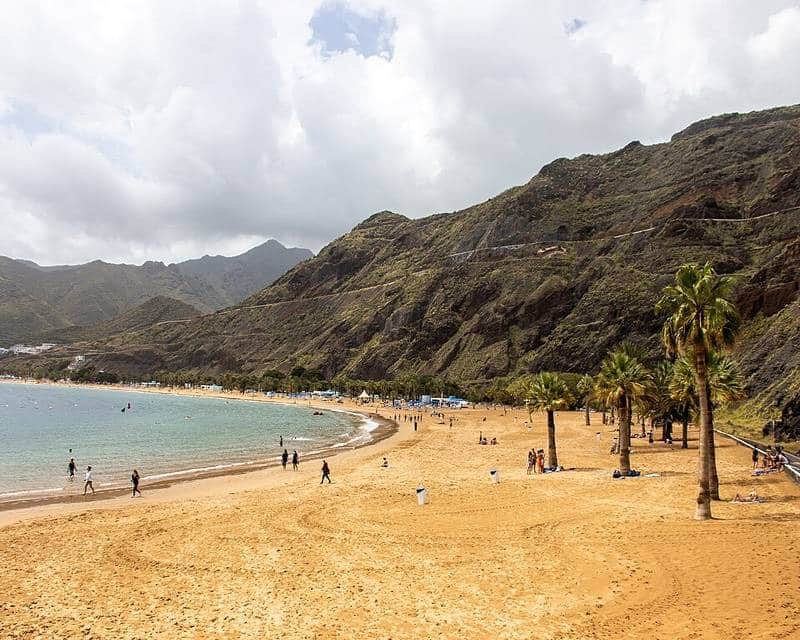
Playa de las Teresitas is a popular beach near Santa Cruz, known for its golden sand and calmer water conditions thanks to a breakwater. It’s a good pick if you want a straightforward swim-and-relax day and you’re exploring the northeast side of the island.
Black-sand beaches: go for the scenery
Black-sand beaches can look dramatic, especially in changing light. The swimming experience varies a lot by beach and conditions, so it helps to stay flexible. If you’re the kind of traveler who gets attached to one “perfect” beach plan, Tenerife might gently push you to loosen that grip.
Natural pools: amazing, but not always swimmable
Natural pools (like the ones in Garachico) are memorable, but they’re still connected to the ocean. On calm days, they’re fantastic. On rough days, they can be unsafe or just unpleasant. The best approach is to have multiple swim options saved so you can pivot without drama.
For a practical roundup—north and south, beaches and pools—this guide makes planning easier: best beaches and natural pools in Tenerife.
Food and “small moments” that make Tenerife feel real
It’s easy to focus only on the headline attractions (Teide, Anaga, beaches) and forget that a trip often becomes memorable because of smaller things: a viewpoint you stumbled upon, a lazy lunch, a bakery stop you didn’t plan. Tenerife is good at that, if you give it room.
A simple food strategy (that doesn’t overcomplicate dinner)
- Do one guachinche-style meal in the north if you want something informal and local-feeling.
- Pick one “nice” dinner in the south (especially if you’re staying around Costa Adeje) and actually book it.
- On driving days, plan lunch somewhere scenic and keep dinner easy.
This might sound too basic, but it prevents the classic vacation mistake: being hungry at 9 pm with no plan and no energy to research.
Itineraries that feel doable (3, 5, and 7 days)
These are not “perfect” itineraries. They’re realistic ones. They leave wiggle room, because Tenerife rewards flexibility—weather shifts, cloud inversions happen, and sometimes you just like a place more than expected and want to stay longer.
3 days in Tenerife (a first-timer sampler)
- Day 1: Teide National Park in the afternoon + sunset (optional stargazing if you’re up for it).
- Day 2: Anaga Rural Park viewpoints + a short hike + a simple north/east coast stop.
- Day 3: Beach day (south or Teresitas) + a town stroll (La Laguna or Santa Cruz).
If Day 1 feels intimidating, use this planning guide as a shortcut: Teide day trip + stargazing tips.
5 days in Tenerife (balanced, without rushing)
- Day 1: Settle in + easy beach and sunset dinner.
- Day 2: Teide day.
- Day 3: North towns day (La Laguna + Garachico, or La Laguna + Puerto de la Cruz).
- Day 4: Boat trip day (whale/dolphin watching or a calmer cruise).
- Day 5: El Médano + Montaña Roja (or a flexible beach/pool day).
7 days in Tenerife (the version that usually feels best)
- Option A (split stay): 2–3 nights in the north, 4–5 nights in the south.
- Option B (one base): Stay south for convenience, but commit to 2 north-focused day trips.
If you’re still on the fence, this helps you choose without spiraling: Tenerife north vs south: where to stay.
Practical planning notes (quick, but important)
Do you need a car?
You can do parts of Tenerife without a car, but a car makes the biggest difference if you want Anaga flexibility, north-coast hopping, and sunrise/sunset timing around Teide. If driving feels stressful, consider doing just a couple of guided days (Teide or Anaga) and keeping the rest easy around your base.
What to pack (the short list)
- Light jacket or warm layer for Teide (even if you’re sunburnt by the pool the day before).
- Comfortable shoes with grip for viewpoints and short hikes.
- Sun protection that you actually reapply—wind can disguise how strong the sun feels.
- Water shoes if you plan on natural pools or rocky entries.
Ocean safety, in plain language
Natural pools and exposed beaches can look calm in photos and behave very differently in real life. If locals aren’t swimming, that’s information. Tenerife is not a place to prove something to the ocean.
Conclusion: what to do in tenerife (without ruining it)
If the question is still what to do in tenerife, the best answer is: choose contrast. Do one big volcanic landscape day, one green-mountains day, and one properly lazy beach day. Add a town you can wander without a plan. Then, if you have time, layer in a boat trip or a waterpark day and call it a very good trip.
The island has enough variety that you don’t need to “see everything” to feel like you experienced it. In fact, it’s probably better if you don’t.