
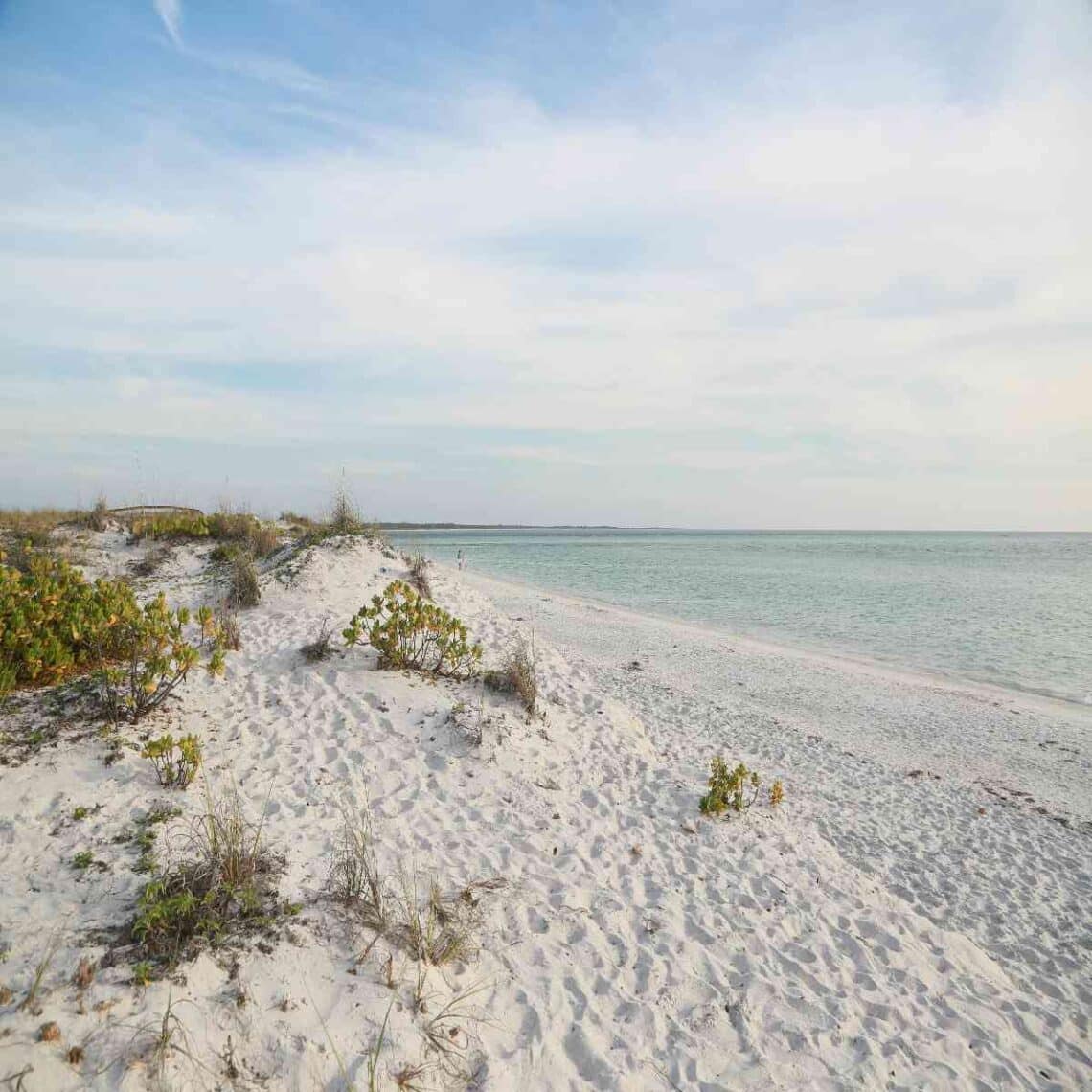
How to get to North Captiva island (ferry + tips)
Getting to north captiva island is straightforward once you accept one small truth: it’s not a drive-up destination.There’s no bridge, and most visitors arrive by boat or ferry (and sometimes by small plane). That’s part of the charm, but it also means the trip has a few moving parts—timing, luggage, reservations, and the occasional weather wobble.
This is a logistics-first guide written for normal people. The goal is to help you arrive calm, not frazzled.And yes, it’s a little ironic to “plan” for a place known for slowing you down. But I think that’s exactly why the planning matters.
If you want the bigger picture first—what the island feels like, golf cart life, wildlife etiquette, and where this fits into a full trip—start with the pillar guide: north captiva island: a real-world travel guide.
Quick reality check: what “getting there” actually means
North Captiva doesn’t have car ferries, and you won’t bring your vehicle onto the island on a standard passenger ferry.That means you’ll park on the mainland, then cross by ferry or charter.Once you’re over, you’ll typically get around by golf cart, bike, or on foot.
Visit Florida (the official state tourism site) even spells it out in plain language: North Captiva is accessible only by boat or small plane, with most visitors taking a ferry from Pine Island, and transportation on the island is typically by golf cart because there are no cars.
That’s a pretty accurate summary, and it’s also a helpful “expectation reset” if you’ve only ever visited bridge-connected beach towns.
You’ll probably feel the mental shift as soon as you park your car and start carrying bags.It’s not hard. It’s just… different.
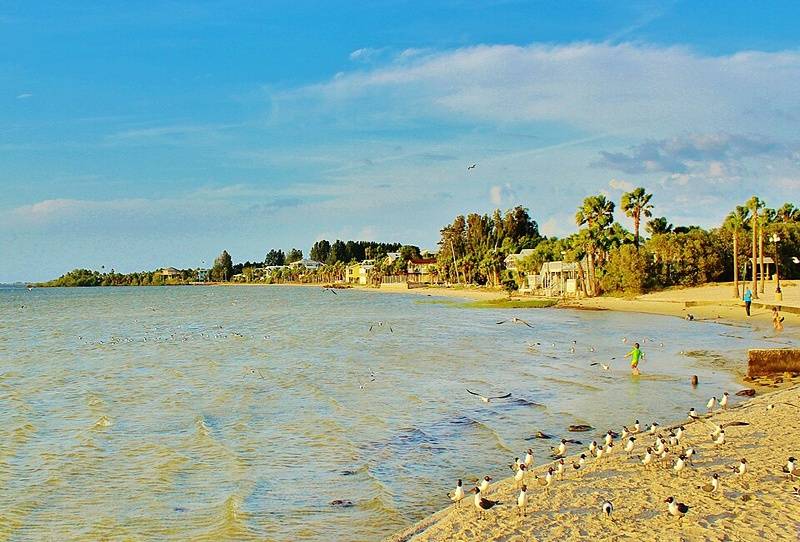
The most common route: Pine Island to North Captiva
Many travelers route through Pine Island and take a passenger ferry over.The crossing itself is often not long, but the overall process includes parking, check-in, boarding, and getting your belongings from the dock to your rental.So even if the boat ride is short, the “door-to-door” time can be longer than you’d expect.
One practical tip that sounds obvious but gets ignored: avoid landing on the mainland with a tight schedule, especially if you’re arriving on a flight the same morning.Give yourself cushion.Boats wait for weather and loading, not your calendar.
Ferry reservations: book both directions
Some ferry schedules explicitly state that reservations are required due to limited capacity, and that it’s recommended to book in advance—especially during peak season.They also note that reservations are required in both directions, not just the ride out.
This is one of those details that causes avoidable stress.People book the outbound ferry, feel accomplished, and then assume they’ll “figure out” the return later.Sometimes that works.Sometimes it doesn’t.If you like certainty, reserve your return time while you’re already in booking mode.
Check-in timing: arrive earlier than you think you need to
At least one North Captiva ferry schedule states you must arrive and check in at least 30 minutes prior to departure.That’s not a suggestion.It’s the rule that keeps the boat from leaving without you.
The detail that matters here isn’t “30 minutes.”It’s that parking + walking to the dock + organizing your bags takes longer when you’re excited, slightly lost, or traveling with kids.So mentally plan for “arrive early,” not “arrive exactly on time.”
Luggage: pack like you’re boarding a boat (because you are)
Ferry operators can have practical limits for what’s included with a ticket and what counts as extra.One schedule, for example, notes included items like a bin, a case of water, and a suitcase, and it reminds travelers not to add extras unless they truly need them.That’s a hint about how the system works: space is finite and loading takes time.
A helpful way to think about it is “a few manageable pieces per person.”Not because anyone is judging you, but because you’ll be the one moving it all once you arrive.
If you’re already thinking ahead to on-island transportation, it may help to glance at the golf cart post now (not later, when you’re sunburned and tired): north captiva island golf carts: rentals and rules.

Step-by-step plan (simple, not perfect)
There are a dozen ways to do this depending on where you’re flying from and where you’re staying.Still, this basic order works for most trips:
- Book your accommodations first (so you know your check-in window).
- Book your ferry next—outbound and return.
- Decide how you’ll handle groceries and heavy supplies.
- Confirm how you’ll get from the dock to your rental (golf cart, property help, or pre-arranged transfer).
- Re-check ferry instructions the day before travel, especially if weather looks unsettled.
It’s not glamorous, but it’s effective.Also, it’s the kind of planning that lets you relax once you’re on the island, which is sort of the whole point.
Groceries and supplies: the “mainland stock-up” strategy
If you’re staying more than a couple of nights, it’s usually smart to stock up before you cross.North Captiva isn’t designed for constant errands, and you don’t want to spend your first evening worrying about basics you could have packed.
The easiest system is to do one intentional grocery run on the mainland, then keep your island grocery plan simple:breakfast and lunches at your rental, dinners split between cooking and going out (if your group wants that).It’s not the only way to do it, but it tends to reduce friction.
And yes—this is also where you quietly confirm things like sunscreen, bug spray, and any must-have medication.Those items aren’t “fun,” but forgetting them is even less fun.
Day trips vs. staying overnight
Some ferry schedules note that day trips are allowed and that you can visit for the day without an island rental reservation.So if you’re curious but not ready to commit to a full stay, a day trip can be a nice test run.
Still, day trips can feel rushed because you’re working around boat times.Staying overnight gives you the real North Captiva experience—the quiet evenings and early mornings when the island feels like it belongs to the shorebirds.If that’s what you’re after, it’s worth giving yourself more than a few hours.
Weather, timing, and that slightly annoying “buffer” advice
This is the part people read and then ignore.And then they message their host in a mild panic.Boats and weather have an honest relationship.Wind and storms can slow things down, shift schedules, or simply make the ride rougher than expected.The fix is not heroics—it’s margin.If you can, avoid planning a same-day flight home that depends on a perfect ferry departure.
If you want a trip that feels calm (and not like a sequence of mini-crises), build in time.You might not “need” it.But you’ll be grateful for it if you do.
Arrival on the island: what happens next
Once you step off the boat, the priority is getting your group and your gear to your rental smoothly.That sounds obvious, but it helps to know your plan before you arrive,who’s handling luggage, where the golf cart is, whether you have a lockbox code, and whether your rental has clear directions from the dock.
After that, things tend to get easy quickly.You’ll unpack, drink water, and start noticing that you can actually hear the wind and the birds.
Then you’ll probably say, “We should have done this sooner.”Or you’ll say, “I can’t believe we brought this much stuff.”Sometimes both.
If part of your trip includes turtle season or you’re staying close to the beach, it’s worth reviewing the wildlife etiquette section in the pillar guide: north captiva island: a real-world travel guide.
Common questions (answered plainly)
Do you need a reservation for the ferry?
Many services require it because capacity is limited, and at least one ferry schedule states reservations are required and recommends booking in advance—especially during peak season.It’s safer to assume you need a reservation than to assume you’ll wing it.
How early should you arrive?
One published schedule states you must check in at least 30 minutes before departure.In real life, arriving earlier than that can be a kindness to your future self—especially if you have multiple bags or you’re unfamiliar with the marina layout.Can you take your car on the ferry?
At least one ferry schedule says there are no car ferries to North Captiva and that the ferry is passenger-only.Plan on parking on the mainland and traveling over with people and luggage only.
Conclusion: the easiest way to get to North Captiva island
The easiest way to get to North Captiva Island is the unexciting way: book your ferry early (both directions), show up ahead of check-in time, pack in manageable pieces, and give yourself buffer time so weather doesn’t wreck your mood.Once you arrive, the whole trip tends to soften around the edges.
And if you’re still deciding whether North Captiva is the right fit, the pillar guide pulls everything together—transport, golf carts, wildlife, and what the island actually feels like: north captiva island: a real-world travel guide.