
What to do in Puerto Vallarta: A Real Guide
If you’re searching for what to do in puerto vallarta, you probably want two things at once. You want the classics (because, yes, they’re famous for a reason). And you also want a plan that feels realistic—like something you can actually follow when it’s hot, you’re hungry, and you’re not in the mood to “optimize” every minute.
This guide is built for first-timers, repeat visitors who want to go a little deeper, and anyone who likes the idea of a flexible itinerary. Not a checklist. More like… a set of good defaults, plus optional side quests when your energy is high (or when the weather forces you indoors).
One quick note for timing: Puerto Vallarta’s rainy season generally runs June through October, and the pattern is often sunny mornings with afternoon or evening storms—especially in August and September. That matters, because it changes how you plan your day more than people expect.
What to do in Puerto Vallarta first (the starter pack)
If it’s your first time and you don’t want to overthink it, this is the simple version. I think it works for almost everyone, even if your travel style is “book nothing in advance and see what happens.”
- Do one sunset walk on the Malecón, then keep wandering until dinner calls you.
- Do one beach day based in Zona Romántica (or close to it), so you can easily bounce between swimming and snacks.
- Eat something at a market, even if it’s just fruit and a quick lunch.
- Pick one big “water” experience: snorkeling, a boat day, or whale watching (seasonal).
That’s it. And honestly, if you do those four things well, you’ll leave feeling like you “got” Puerto Vallarta. The rest is personal preference.
Pick your vibe (quick filters that make planning easier)
This is the part most travel posts skip. They list 35 things, which is impressive, but not always helpful. So here are a few “if this sounds like you…” shortcuts.
If you only have 1 day
- Morning: coffee + a slow stroll in Centro (don’t rush it).
- Midday: beach time (Los Muertos area is the easy default).
- Late afternoon: shade break (this is where most people push too hard).
- Sunset: Malecón walk + dinner nearby.
If you have 2–3 days
- Day 1: “town day” (Centro + Zona Romántica + sunset).
- Day 2: “water day” (snorkel/boat or whale watching in season).
- Day 3: choose your own: botanical gardens, a day trip, or just… another beach day. No shame in repeating what you like.
If you want mostly free things to do in Puerto Vallarta
Start with walks, viewpoints, public beaches, and markets, then sprinkle in one paid experience if it truly excites you. If you want a dedicated list that’s actually practical (with routes and pacing), this companion guide helps: free things to do in Puerto Vallarta.
If you don’t want tours
Good news: Puerto Vallarta is one of those places where you can have an excellent trip without booking much. The “tour-ish” thing that’s hardest to replicate independently is whale watching (because it’s seasonal and boat-based). Snorkeling can be either DIY-ish or fully guided, depending on your comfort level in open water.
The neighborhoods, explained like a friend would
Where you stay changes your trip more than people admit. Not dramatically, but enough that you’ll feel it by day two.
- Centro: Walkable, classic, close to the Malecón. Great if you like being in the middle of things.
- Zona Romántica: Lively, restaurant-heavy, easy beach access, very walkable. A strong default for first-timers who want charm and convenience.
- Hotel Zone: More resort-style. Convenient for pools and big properties, less “wander and discover.”
- Marina Vallarta: Calm, polished, great if you like being near boat departures and a quieter evening pace.
If you’re the type who likes to walk to dinner most nights, I’d lean toward Centro or Zona Romántica. If you’re more “pool, book, repeat,” the Hotel Zone can feel effortless in a good way. (And yes, sometimes effortless is exactly what you want.)

Beaches that are worth your time (and how to choose)
People ask about the best beaches in Puerto Vallarta, and the honest answer is: “best” depends on what you mean. Calm water? Soft sand? Easy food access? A little privacy? Puerto Vallarta can do all of that, just not always in the same spot.
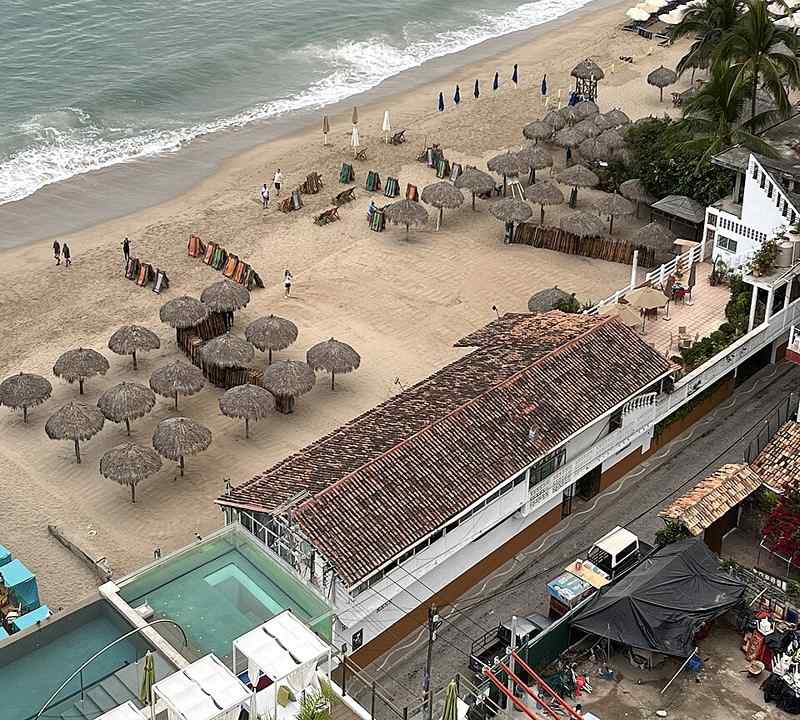
The easy beach day: Los Muertos area
This is the simple plan: base yourself around the Los Muertos area in Zona Romántica, swim when the water looks inviting, then take breaks as needed. It’s not the most secluded beach experience, but it’s convenient and social, and you’re never far from food.
The prettier, quieter feel: smaller coves south of town
If you’re willing to go a bit south, you’ll find beaches that feel more “hidden,” with rocky edges and clearer-looking water on good days. Conditions vary, though—some spots can have stronger waves or trickier entry, so it’s a “look first, then commit” kind of beach.
Want a deeper breakdown by vibe—calmest swim spots, best views, best for a half-day trip? This is where the cluster guide earns its keep: best beaches in Puerto Vallarta.
On-the-water days: snorkeling, boats, and whales
A water day is often the highlight in Puerto Vallarta. It’s also the day most likely to go sideways if you ignore a few basics (sun, motion sickness, and overpacked schedules). So let’s talk about it like adults.
what to do in puerto vallarta for whale watching (season + expectations)
Whale watching is seasonal. Most sources describe the Puerto Vallarta whale season as roughly December through March, with peak sightings often in January and February. That’s when humpback whales migrate into Banderas Bay to breed and give birth, so the odds are simply better.
Two small, real-world tips that matter: go earlier if you can (mornings are often calmer), and don’t treat it like a guaranteed “National Geographic moment.” Sometimes you’ll see breaches and tail slaps. Sometimes it’s quieter and you’ll have to be patient.
If you want the full breakdown—season timing, what to bring, how to choose a boat, and what “responsible viewing” looks like—this cluster guide goes deeper: Puerto Vallarta whale watching season.
Snorkeling and boat days (without overcomplicating it)
If you’re deciding between a snorkeling trip and a “scenic boat day,” ask yourself one question: do you actually enjoy being in open water for long stretches? If the answer is “maybe,” choose something shorter or closer to shore. It’s still fun, and you won’t spend half the day mentally negotiating with the ocean.
- For confident swimmers: snorkeling-focused trips can be amazing, especially around rocky areas where fish and underwater structure are more interesting.
- For hesitant swimmers: a beach-and-boat combo day (with optional snorkeling) usually feels safer and more relaxed.
Also: bring more water than you think you need. It’s the kind of advice that feels boring until you’re sun-dazed at 2 p.m. and wondering why everything is suddenly difficult.
Nature beyond the beach (jungle, gardens, and “green” days)
Puerto Vallarta isn’t just a beach destination—it’s where mountains and jungle crowd right up behind the city. And I think that contrast is part of the magic. You can be in sandals at 10 a.m. and somewhere lush and green by lunchtime.
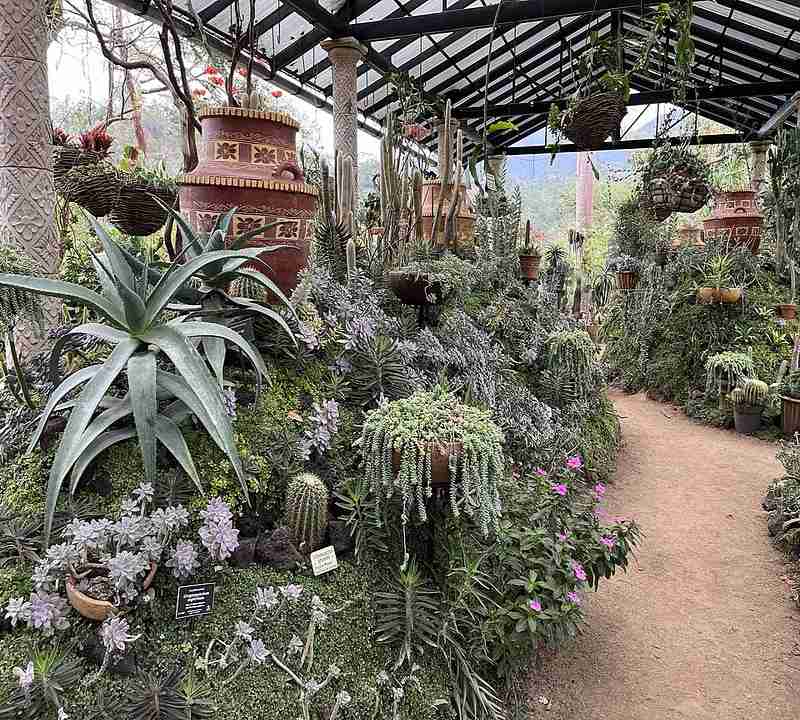
Botanical gardens (the “reset button” day)
If you want a quieter day with shade, plants, and a more slow-travel feel, the botanical gardens are an easy win. It’s the kind of outing that doesn’t demand constant excitement, which sounds odd as a compliment… but it is one.
Hikes and viewpoints (choose easy, then reassess)
Heat changes everything. If you’re visiting in warmer months, start early and pick something shorter than your ego suggests. There’s no prize for suffering through a noon hike when you could be doing it at 8 a.m. and still have energy for dinner.
During the rainy season (June to October), it’s common to plan outdoor activities for the morning and keep afternoons flexible because storms often roll in later in the day—especially in August and September. It’s not “ruined trip” weather, but it’s “plan like a local” weather.
Markets, food, and the walking-around part
This is where Puerto Vallarta gets under your skin—in a good way. Not everything memorable is a “top attraction.” Sometimes it’s a mango cup you didn’t need, a small bakery you randomly notice, or a taco stand you return to twice because it just… works.
Do a market stop even if you’re not a “market person”
Markets are useful for casual meals, souvenirs that don’t feel mass-produced, and seeing what people actually buy and eat. Go hungry, but not starving. Starving makes you make bad decisions. (I have learned this repeatedly.)
A simple food plan that doesn’t require a spreadsheet
- Breakfast: something light + coffee.
- Lunch: market food or a casual spot near where you’re already walking.
- Afternoon: a cold drink and a snack (this is the heat-management move).
- Dinner: one “sit-down” meal—especially after a long beach day.
If you want to be extra intentional, pick one evening for a “walk until something smells good” dinner. It sounds too simple, but it’s often the best meal of the trip.
Evenings: sunset, slow nightlife, and low-pressure plans
Puerto Vallarta evenings can be lively, but you don’t have to treat it like a nightly event. A surprisingly good routine is: sunset walk, dinner, then a short stroll somewhere pretty. If you want more energy, you’ll find it. If you don’t, the city still feels like it’s doing something around you.
- Sunset: Malecón or a beach walk.
- Dinner: choose based on proximity, not perfection.
- After: dessert, a drink, or just one more loop because the air finally cooled down.
I’ll also say this: sometimes the best “nightlife” choice is going back early, showering off the sunscreen, and letting your nervous system calm down. Travel is fun, but it’s still stimulation.
Day trips that feel doable (not exhausting)
A lot of guides throw day trips at you like they’re all equally easy. They’re not. Travel time, heat, and your tolerance for logistics matter.
Choose one “big” day trip, max
If you’re in town for a short trip, one bigger outing is usually enough. You’ll enjoy it more if you’re not stacking “early boat” days back-to-back. Unless you love that pace—some people do, and I respect it, even if I can’t always keep up.
Keep a backup plan for rainy afternoons
Because rainy season tends to bring afternoon storms from June through October, it helps to have an indoor-ish backup: a long lunch, a café, a spa afternoon, or shopping in an area you can stroll under cover. Mornings are often your best outdoor window.
Seasonal planning (so you don’t get surprised)
Puerto Vallarta is a year-round destination, but the “feel” changes a lot with season. If you plan with that in mind, your trip gets easier.
Rainy season: June through October
June to October is commonly described as the rainy season, with August and September bringing the heaviest rain in many long-term averages. The upside is the landscape turns greener, and mornings can still be beautiful—just plan your outdoor adventures earlier in the day.
Whale season: December through March (peak Jan–Feb)
Whale watching season is typically December through March, and many sources point to January and February as peak months. If seeing whales is a main goal, it’s worth prioritizing this window.
Sea turtle releases: July through December (often peak Aug–Nov)
Sea turtle releases are often described as happening July through December, with many guides noting the peak season around August through November. If this is on your wish list, plan ahead and choose responsible programs that support conservation and follow local guidance.
Practical tips people don’t realize they need
This is the “save yourself a headache” section. Not glamorous, but it’s what makes a trip feel smooth.
- Sun strategy: reapply sunscreen more than you think, and build in shade breaks. Heat fatigue sneaks up.
- Water strategy: carry water on walk-heavy days. It’s basic, and it works.
- Footwear: bring something comfortable for long walks (cobblestones and distance add up).
- Pacing: don’t book every day early. Puerto Vallarta rewards slower days, even if that sounds like a travel cliché.
And if you’re trying to decide whether to spend on tours: pick one experience you’re genuinely excited about, then keep the rest flexible. It’s a nicer way to travel, and it leaves room for those small discoveries you can’t schedule.
Putting it together: simple, realistic mini-itineraries
2-day Puerto Vallarta plan (balanced)
- Day 1: Centro + Malecón sunset + dinner in Zona Romántica.
- Day 2: Beach morning + relaxed lunch + optional boat/snorkel afternoon (or swap this for a nature day).
4–5 day Puerto Vallarta plan (with variety)
- Day 1: Settle in + evening walk.
- Day 2: Beach day (try a different stretch than Day 1).
- Day 3: Water day (whales in season, or snorkeling/boat trip).
- Day 4: Nature day (gardens/hike) + relaxed dinner.
- Day 5: Free day for markets, shopping, or repeating your favorite place.
Notice what’s missing: the urge to do everything. It’s not that you can’t. It’s just that Puerto Vallarta is better when you leave space for the city to surprise you.
Conclusion: what to do in puerto vallarta (without burning out)
So, what to do in puerto vallarta if you want a trip that feels both fun and calm? Start with the “starter pack,” pick one standout water experience, and let the rest be guided by your energy and the weather. If you want to go deeper, use the beach guide and the seasonal whale watching guide as your planning anchors—and keep at least one day intentionally unscheduled. You’ll thank yourself later.