
North Captiva Island: A Real-World Travel Guide
If you’re looking up north captiva island, there’s a good chance you already know the headline: no bridge, no cars, and you get there by boat (or a small plane). That’s the point. It’s a Florida beach trip where the “getting there” is part of the experience, and it’s also the part that can trip people up if they expect a normal drive-up island.
This guide is meant to feel practical, not dreamy. It’s for travelers who want calm beaches and a quieter pace, but also want the details that actually matter: how to arrive without panic, what to pack so you’re not stuck improvising, how golf-cart life really works, and how to enjoy the wildlife without accidentally being “that person” on a nesting beach.
What makes north captiva island different
North Captiva sits off Southwest Florida in Lee County, just north of Captiva Island, separated by Redfish Pass. Redfish Pass was created by the hurricane of 1921, which split what had been a single larger Captiva landmass into two islands. In other words: the island’s story is tied to storms, shifting sand, and change. That’s not trivia. It’s why the place feels so raw and “alive.”
There’s no bridge connection. That keeps the pace slower, the roads simpler, and the whole place a bit more self-contained. Some people hear “boat-only island” and get excited. Others hear it and immediately worry about groceries, luggage, kids, or mobility. Both reactions are reasonable.
A quick history detour (Redfish Pass and shifting sand)
Redfish Pass is the channel that separates Captiva Island from North Captiva Island, and it’s widely noted as being created by the hurricane of 1921. The Florida Museum’s Randell Research Center also describes North Captiva as geologically dynamic, with other passes opening and closing over long time spans (including one that formed during Hurricane Charley in 2004 and later refilled). It’s a gentle reminder that barrier islands aren’t static.
If this sounds a bit academic, it’s not meant to be. It just helps set expectations: beaches can look different year to year, access points can shift, and “the island” is really a moving landscape that happens to have homes and rentals on it.
How to get to north captiva island (without stress)
The essential fact: North Captiva is accessible by boat or ferry, and some sources also mention private plane access. Either way, you’re not driving your car to your front door. You’re staging your arrival—like a mini-expedition, but a comfortable one.
A lot of planning anxiety disappears if you accept one truth early: you’re coordinating at least two “legs” (mainland to marina, then marina to island). Add a little buffer time and things get dramatically easier.
The usual route: mainland to marina, then ferry
Many visitors route through Pineland Marina (Pine Island area) and use a ferry or charter to cross over. Ferry providers commonly note that reservations are required because capacity is limited, and they recommend booking in advance. Some schedules also require you to check in around 30 minutes before departure, which is annoying but helpful to know before you’re running late with luggage.
If you’re the type who hates uncertainty, here’s the trick: when you book lodging, book your ferry next. Not later. Not “once flights are confirmed.” Just do it. Boat schedules can be the bottleneck during busy periods.
For a deeper, step-by-step breakdown (including what to do with groceries and baggage), use the cluster guide: North Captiva ferry planning guide.
What to do when weather changes the plan
It’s Florida. Weather is part of the deal. Sometimes it’s just a passing storm. Sometimes it’s wind that makes boat crossings uncomfortable or delayed. The best “hack” is boring: schedule buffer time on travel day, avoid stacking tight connections, and keep essentials (medications, chargers, one change of clothes) with you rather than buried in a big bag.
There’s also a mindset piece here, and I say this carefully because it can sound preachy: North Captiva is easier to enjoy when you stop trying to control every minute. Plan, yes. But leave space for the island to be the island.
Getting around: golf carts, sandy roads, and small rules
Once you arrive, the island rhythm kicks in quickly. North Captiva is widely described as car-free, and golf carts are the primary way people get around. That’s charming… and occasionally chaotic if you’re arriving with kids, coolers, and a week’s worth of groceries all at once.
Roads are not like a typical suburb. They can be sandy or uneven, and things that feel “close” on a map can feel longer under midday heat. The good news is that the whole system is simpler than it sounds after your first hour.
north captiva island golf carts: how it really works
Many visitors arrange golf cart rentals ahead of time, and some ferry-oriented guides even mention carts being ready near arrival points if pre-arranged. Practically, this means you can plan your trip like this: cart reserved, luggage manageable, and your rental home’s access details clear before you step onto the boat.
A small, human note: golf carts feel fun for about 15 minutes, and then they become “your car.” You’ll start thinking about charging, where you parked, and whether you remembered the beach chairs. It’s normal. You’re not doing it wrong.
For rentals, etiquette, and the little “wish someone told me” details, see: north captiva island golf carts: rentals and rules.
Where to stay (and what “good” means here)
The best place to stay on North Captiva depends less on luxury and more on how you want your days to feel. Some people want quick beach access and sunset walks. Others prefer a quieter spot with a bit more privacy, even if it means a longer cart ride.
Before booking, it’s worth confirming a few practical items that can make or break the week: whether a golf cart is included or must be rented separately, whether the property has reliable charging access for the cart, how luggage transfer is handled, and what the nearest dock access is if you’re arriving with supplies.
A quick checklist before you click “book”
- Confirm your arrival plan: which dock you’ll land at and how you’ll reach the home from there.
- Ask how golf cart charging is handled (especially if you’re renting a cart separately).
- Check what “kitchen basics” actually means—some homes are stocked, some are minimal.
- Look for notes about lighting and wildlife-friendly practices if the home is near the beach.
Food and supplies: groceries, meals, and expectations
This is where first-timers can feel slightly tense, so it helps to be honest. North Captiva is not a place where you casually pop out for whatever you forgot. Some visitor resources describe it as remote and simple, with the kind of small-island tradeoffs that come with that.
The easiest approach for many groups is to plan on cooking at least some meals and bringing groceries over with you, timed to your ferry arrival. Some ferry-oriented guides explicitly mention that you can bring groceries/supplies on the ferry or coordinate delivery services with your arrival. In practice, it means you’ll do a “mainland stock-up” first, then switch into island mode.
A packing approach that stays realistic
Not a strict list—more like a sanity check. The island rewards the basics:
- Refillable water bottles (and enough to get you through travel day).
- Sunscreen and sun protection you actually like wearing.
- Bug spray for evenings (some weeks you’ll barely use it, some weeks you’ll be glad you packed it).
- Simple first-aid supplies and any must-have medications.
- Reef-safe, beach-friendly footwear if you plan to explore.
- A small headlamp or flashlight for walking around at night—but used carefully on the beach (more on that below).
Things to do (beyond “sit on the beach”)
Yes, you can absolutely spend the whole trip walking the shoreline, shelling, reading, and watching the light change. That’s a valid plan. Still, it helps to have a few “backup joys” for when the weather shifts or your group gets restless.
Beach days, long walks, and shelling
A good North Captiva beach day is usually simple: early walk, mid-morning swim, long lunch, and a slow sunset return. If you’re used to busy beaches, the quiet can feel almost strange at first. Then you adjust. And then you kind of don’t want to go back.
On-the-water time: calm explorations
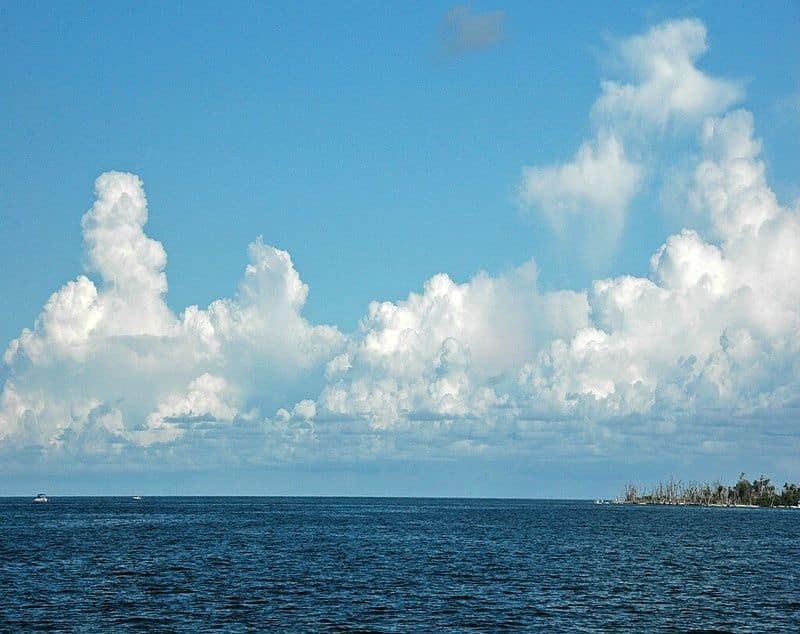
Visitor guides commonly highlight excursions like boating and water activities, and it makes sense. North Captiva is surrounded by water in a way that makes short trips feel “big” quickly—like you’ve genuinely gone somewhere, even if it’s not far.
If you’re building a week itinerary, consider balancing one or two on-the-water outings with plenty of nothing-time. This is mildly contradictory advice, I know. But too many planned activities can make the island feel like a checklist, and that’s not its strength.
Wildlife, sea turtles, and how to be a good guest
North Captiva’s wildness is part of the appeal, and it comes with responsibilities that are easy to overlook if you’ve never stayed on a nesting coastline. Local conservation messaging commonly emphasizes protecting beaches and wildlife, and sea turtle resources are very clear that artificial lighting can disrupt nesting behavior and disorient hatchlings.
Here’s the part people don’t always love hearing: even “temporary” light—flashlights, phone lights, bright patio lighting—can matter. Sea Turtle Conservancy explains that artificial light can deter nesting females and cause disorientations, which can lead to mortalities. Lee County’s sea turtle conservation guidance also focuses on limiting beach-visible lighting and includes restrictions like prohibiting fires on the beach during nesting season in unincorporated areas.
Simple, practical wildlife-friendly habits
- Keep beachfront lights off or shielded at night when possible (especially in nesting season).
- Avoid using white flashlights on the beach at night; if you need light, use the lowest-impact option and keep it pointed down and away from dunes.
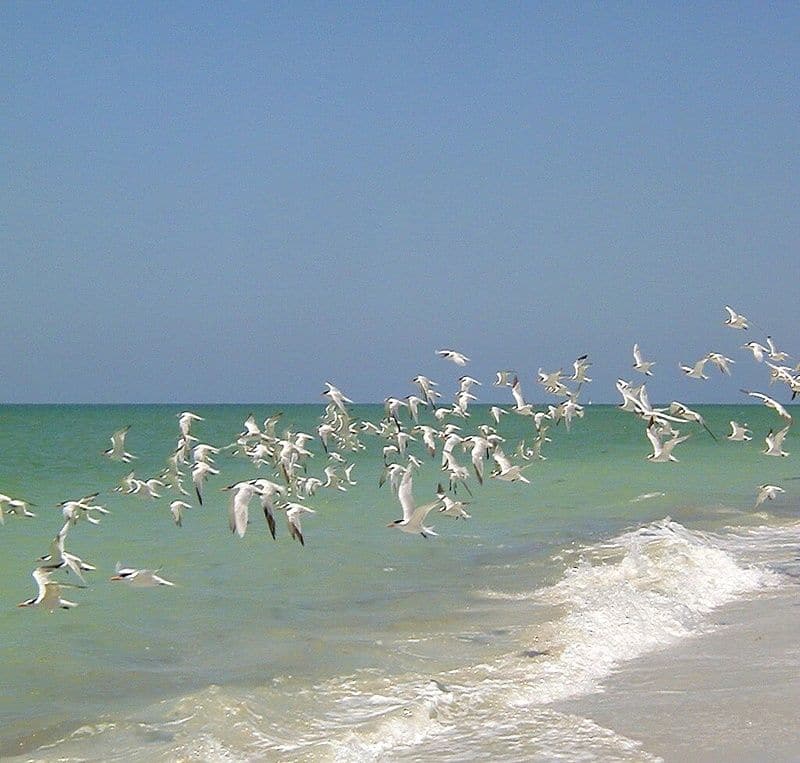
- Give shorebirds space and keep a respectful distance from any marked nest areas.
- Fill in holes and remove obstacles before leaving the beach for the night.
If you want a focused guide for families and wildlife-watchers (including what to do if you see a turtle crawl or nest markers), here’s the cluster post: Wildlife on North Captiva: turtles and shorebirds.
FAQs people ask (and mean)
Can you drive to North Captiva?
No. Multiple visitor resources describe North Captiva as having no bridge access and being reachable by ferry/boat (and sometimes private plane). That’s why planning matters, and also why it stays quieter than nearby drive-to beaches.
Do you need a golf cart?
Many visitors use golf carts as their main transportation, and most first-timers find a cart makes the trip significantly easier—especially with kids or groceries. That said, a very beach-focused stay in one area might reduce how much you use it. It depends on your rental location and your tolerance for heat and walking.
Is it good for families?
It can be, especially for families who enjoy nature, slower mornings, and simple routines. The main challenge is logistics: packing, ferry timing, and making sure you have what you need. Once you’re settled, it often feels surprisingly easy.
Is it worth it for a short trip?
A short trip can be wonderful, but the boat logistics can make a one- or two-night stay feel rushed. If the goal is deep relaxation, a longer stay is usually easier to justify. If the goal is “I want to see what it’s like,” a shorter trip can still work—just plan it carefully and keep expectations flexible.
Planning timeline (a simple way to avoid regret)
If planning makes you roll your eyes, fair. But here’s a lightweight timeline that matches how ferry providers describe reservations and check-in requirements.
- When you book lodging: Reserve your ferry/boat crossing right away, and confirm baggage/grocery handling.
- 2–3 weeks out: Confirm golf cart plans and charging details; decide whether you’re bringing groceries or coordinating delivery.
- 2–3 days out: Re-check ferry instructions and arrival times; pack essentials in a small bag you’ll keep with you.
- Travel day: Build buffer time. Arrive early. Assume you’ll move a little slower than you do on the mainland.
Conclusion: is north captiva island right for you?
north captiva island is one of those places that can feel almost too quiet—until you realize how rare that is. If you want nightlife, constant shopping, and easy spontaneous plans, it might not be your island. If you want long beach walks, a car-free routine, and a trip that nudges you into a slower gear (even if you resist it at first), it’s hard not to fall for it.
The real key is respecting what the island is: boat-only access, simple infrastructure, and wildlife that needs darkness and space to thrive. Plan the basics early, arrive with patience, and let the days be a little unstructured. That’s usually when North Captiva feels like the best version of itself.