
Discover the Beautiful Italian Language: How to Say “Merry Christmas” in Italian
Why ‘Merry Christmas in Italian’ is More Than Words
You ever practice saying “Merry Christmas” in a new language, and for a moment, it feels… a bit awkward? Maybe like you forgot how to even sound festive? If so, honestly, you’re in good company here. Most visitors to Italy worry the first time they say Buon Natale, wondering if they’re going to butcher the musical sound Italians naturally carry in their voices. But, okay—pause for a second and let yourself imagine this: twinkling piazzas, delicious holiday aromas, and neighbors shouting friendly greetings from market stalls. That’s Italy at Christmas, and nobody’s critiquing your accent. Not really.
Look, Christmas in Italian is not just Natale, and greetings aren’t limited only to Buon Natale. There’s a whole messy, cheerful bundle of ways Italians share the season. Honestly, half the magic comes from trying, even if you mix up your endings or linger a bit too long on the “leh.” It’s a holiday, not a grammar exam.
So, How Do You Say Merry Christmas in Italian?
The most direct, reliable way is simply: Buon Natale.
(Try: bwohn nah-TAH-leh—most Italians will smile, nod, and probably correct you just a little, in the friendliest way.)
Buon means “good,” and Natale literally means “Christmas”—coming from the Latin natalis, “birth.” So, when you say Buon Natale, you’re doing more than translating. You’re joining in on an old tradition that stretches from Milan’s decorated shop windows to tiny Sicilian ports stuffed with sweets.
Regional Twists & Slightly Fancy Variations
Now, if you want the honest truth, you don’t need to get too creative. Buon Natale works everywhere. But maybe you’re feeling bold or you find yourself in the mountains up north, or deep in the sunny south? Italians love local flavor, and sometimes even their greetings shift a bit:
- Lombardy (Milan): Bun Natal
- Venice: Bon Nadal
- Naples: Bon Natale (Neapolitan dialect)
- Sicily: Bon Natali
Don’t worry if you forget these – most will answer with a classic Buon Natale anyway. The regional versions add some spice, and frankly, it’s fun to listen for them at big family tables.
Happy Holidays in Italian (and Why You’ll Hear It More Than Expected)
Before December 25th, and definitely after, Italians use the broader phrase Buone Feste. Sometimes I’ve wondered if it’s just so they don’t have to keep pinpointing the date—after all, the whole month is festive!
Buone Feste translates as “Happy Holidays.” You’ll hear it in stores, see it on storefront banners, and get it in messages from people who haven’t quite decided which holiday you celebrate. It’s also the safer bet if you’re wishing colleagues or neighbors well and don’t want to assume Christmas is the centerpiece for everyone.
On Christmas Eve, you might hear Buona Vigilia (“Happy Christmas Eve”)—but it’s not as common as the other two.
Combining Christmas & New Year: Italian Holiday Message Examples
Italians love to bundle their wishes. Why use two phrases when you can make it sing? Try these if you want to impress (or simply make life easier):
- Buon Natale e Felice Anno Nuovo! — Merry Christmas and Happy New Year!
- Tanti auguri di buone feste! — Many wishes for happy holidays!
- Auguri di un Natale sereno! — Wishing you a peaceful Christmas!
- I miei migliori auguri per un Natale pieno di amore e gioia! — My very best wishes for a Christmas full of love and joy!
You might write these on cards, text them to friends, or use them trying desperately to pronounce every syllable while the espresso kicks in. And sometimes, after a long travel day, you forget half the phrase. Italians tend to appreciate the effort more than perfect recall, so you’re almost always safe.
The Meaning of Buon Natale
The phrase Buon Natale is universal across Italy. Sure, “Natale” means “birth”, but in December everyone knows you mean Christmas—unless it’s their birthday, which makes for the occasional awkward moment. Such is life.
Historically, Buon Natale evolved with Italy’s Christian heritage, absorbing local dialects, superstition, and that inexplicable urge to shout even at complete strangers, especially in small towns. You might even overhear Felice Natale (“Happy Christmas”) in certain parts, but it’s much less common. Use it if you like, Italians appreciate variety, almost as much as a fresh slice of panettone.
Italian Christmas Traditions: Beyond the Greeting
Saying “Merry Christmas” is just the tip of the tinsel. In Italy, Christmas is a season, not a single day. From the Feast of the Immaculate Conception on December 8th, through La Vigilia di Natale (Christmas Eve) and Natale (December 25th), ending with La Befana on January 6th.
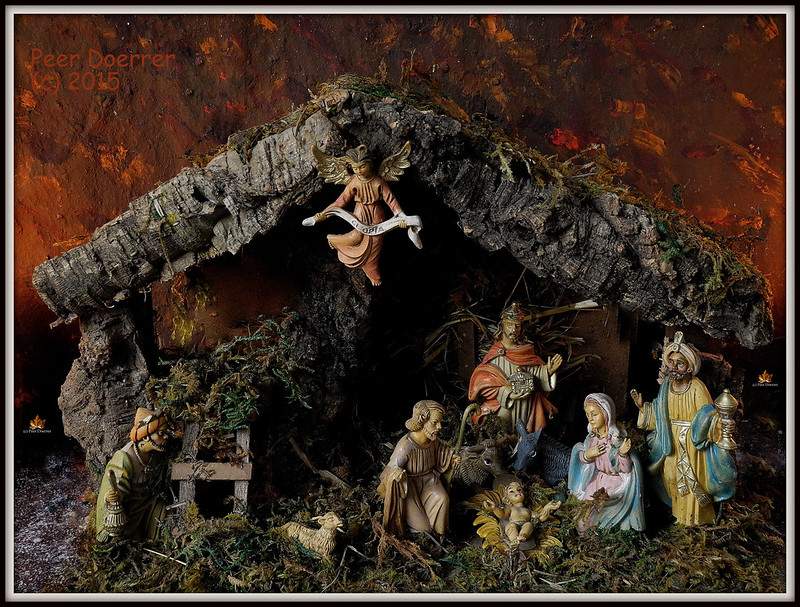
- Presepe/Nativity Scene: Almost everyone has a nativity, some with tiny clay figures, others elaborate enough to cover entire squares. Towns like Naples turn it into street art—sometimes I just stand there, staring at the miniatures, slightly jealous.
- Feast of Seven Fishes: Particularly famous in Southern Italy on Christmas Eve. Seven dishes, mostly fish. I’ve tried cooking it once—only managed three, and a burnt potato.
- La Befana: A kindly witch who brings sweets on Epiphany. If you happen to wake up to candy in your shoes, consider yourself more Italian than you thought!
- Babbo Natale: Italy’s Santa Claus. In some regions, kids argue whether Babbo Natale or La Befana is cooler. Honestly, they’re both pretty magical.
More on these traditions? See Italian Christmas Traditions and Customs for stories, photos, and tips.
Italian Christmas Food & Drink: Festive Flavors to Pair with a Greeting
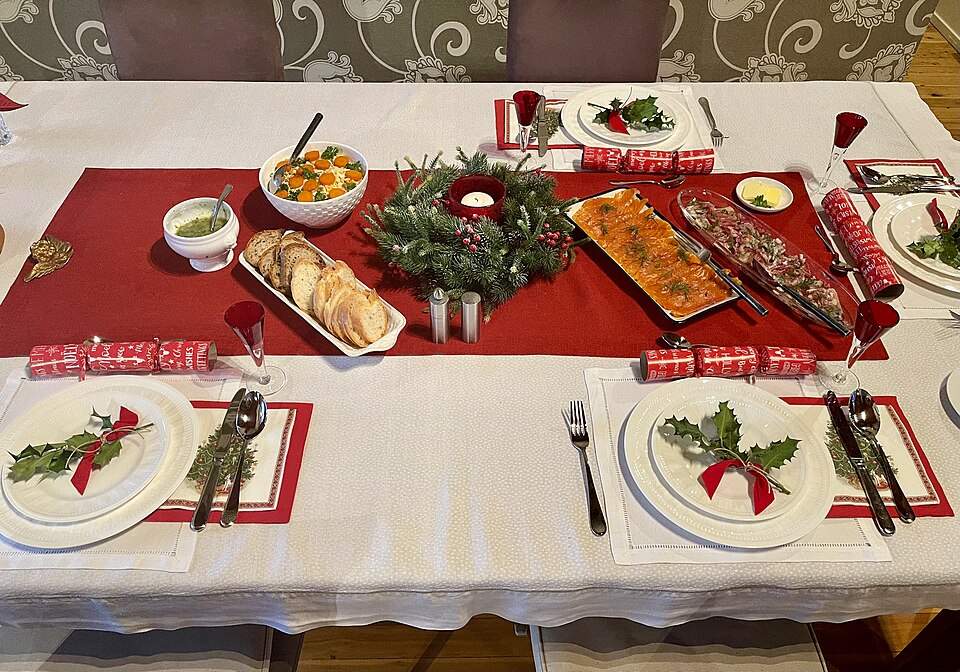
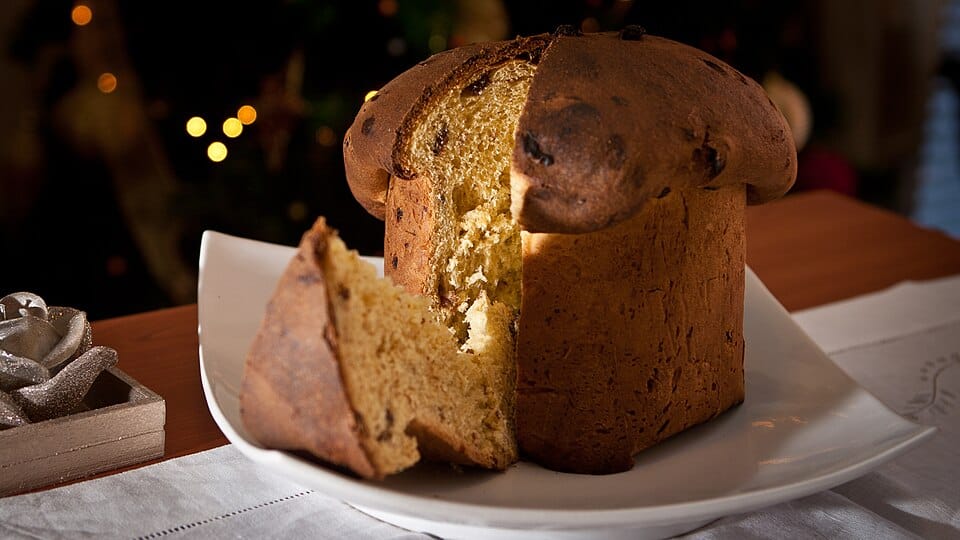
Ever try panettone for breakfast on Christmas morning? It barely lasts the week in most homes. There’s also tortellini in brodo up north, and endless seafood spreads down south.
Italians don’t just celebrate with words—they celebrate with food.
Dive deeper into Italy’s Christmas food traditions.
How to Use Italian Holiday Greetings in Cards, Travel, and Everyday Life
Writing cards? You can go short and sweet:
Buon Natale e Felice Anno Nuovo!
(Merry Christmas and Happy New Year!)
Want a warmer, more local touch? Try:
Ti auguro un Natale pieno di amore, pace e gioia sincera.
(I wish you a Christmas full of love, peace and genuine joy.)
Or go for humor:
Panettone, più torrone, più cenone, uguale indigestione.
(Panettone, nougat, big dinner—equals indigestion!)
On the road: You’ll impress by simply wishing Buon Natale to shopkeepers, hotel staff, or people you meet along the way. I still remember awkwardly blurting “Buone Feste” at a train conductor. He grinned, replied, “Anche a te!” (“You too!”), and off we went.
Need more examples for cards? Here’s a few:
- Auguri di buone feste a te e alla tua famiglia. (Best wishes for the holiday season to you and your family.)
- Tanti auguri! (Many best wishes!)
- Buon Natale a tutti! (Merry Christmas to all!)
Get inspiration for Italian Christmas cards and messages here
Learning Christmas Greetings & Essential Italian Holiday Vocabulary
Mastering Italian greetings starts with repetition. Sometimes I stand in the kitchen, muttering “Buon Natale” under my breath, hoping it sticks before I call my Italian aunt. Practice with native speakers if you can—or even just your reflection. Apps like Duolingo, Pimsleur, or an old-fashioned dictionary do the trick, especially when you forget which word means what after a glass of wine.
For more fun, mix in useful vocabulary:
- Natale — Christmas
- Capodanno — New Year
- Befana — the Epiphany witch
- Albero di Natale — Christmas tree
- Presepe — Nativity scene
- Pandoro/Panettone — holiday cakes
Honestly, the more you learn, the more you’ll confuse yourself at first. That’s normal. Italians do it too.
Expand your Italian Christmas vocabulary here
Practical Tips for Using Italian Greetings: My Best Advice
If you mess up the pronunciation, it’s fine. Italians usually laugh and help you out. So here’s a tip. When you wish someone “Buon Natale,” say it with a smile. Maybe overdo the hand gestures a little—Italians will love it.
Stumble a bit? Add a little “Ti auguro…” or “Auguri di…”—it won’t hurt. And when someone returns your greeting with “Anche a te!” just nod and say “Grazie!” Easy, right?
Want to keep going? Check out Celebrating Christmas in Italy: Your Holiday Travel Guide
The Experience: Why Italian Christmas Greetings Matter
Okay, sometimes I wonder if these greetings actually change the holiday. Maybe. Maybe not. But the small moment of connection—trying a language, sharing in the celebration, waving to neighbors—really does make Christmas feel bigger, somehow. Italians have spent centuries weaving together language, faith, family, and food. And as soon as you say “Buon Natale”—even if it comes out wonky—you’re a little part of that story.


You May Also Like

Morocco Travel Guide

Planning a Picturesque Trip To France