
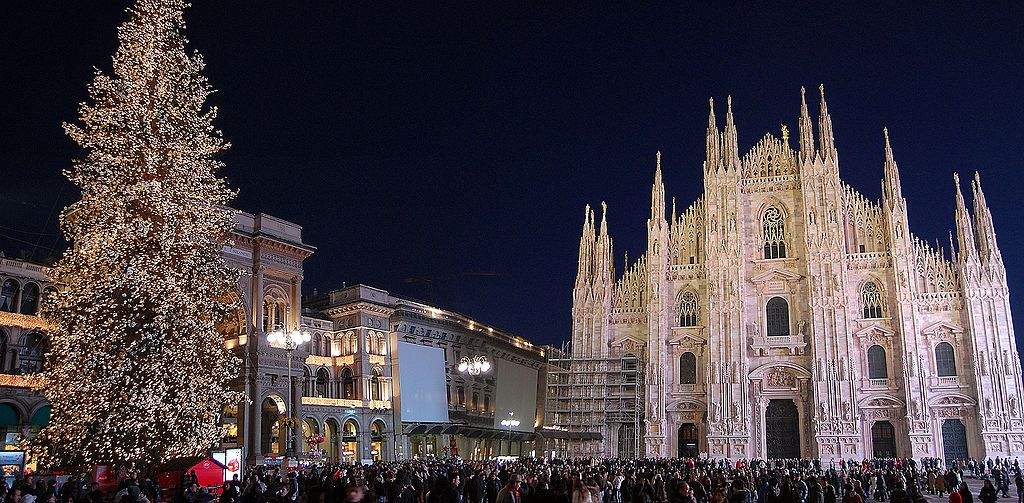
Italian Christmas Traditions and Customs: A Complete Cultural Guide
Christmas in Italy: More Than Just December 25th
Honestly? If you think Christmas in Italy is just one day, you’re missing… well, basically everything. The Italian Christmas season stretches from December 8th all the way to January 6th—nearly a month of festivities, family gatherings, and traditions that have been passed down through generations . It’s not just about presents or a single big meal. It’s about an entire season that somehow weaves together ancient Roman customs, Christian faith, and that distinctly Italian approach to celebrating life.
I mean, think about it. While most places wrap up Christmas by December 26th, Italians are just getting started. They’ve got feast days, religious observances, regional specialties, and customs that vary so much from north to south, you’d think you were traveling between different countries. And maybe that’s part of the charm—Italy’s Christmas traditions feel both deeply rooted and surprisingly diverse.
The Feast of the Immaculate Conception: December 8th Kicks It All Off
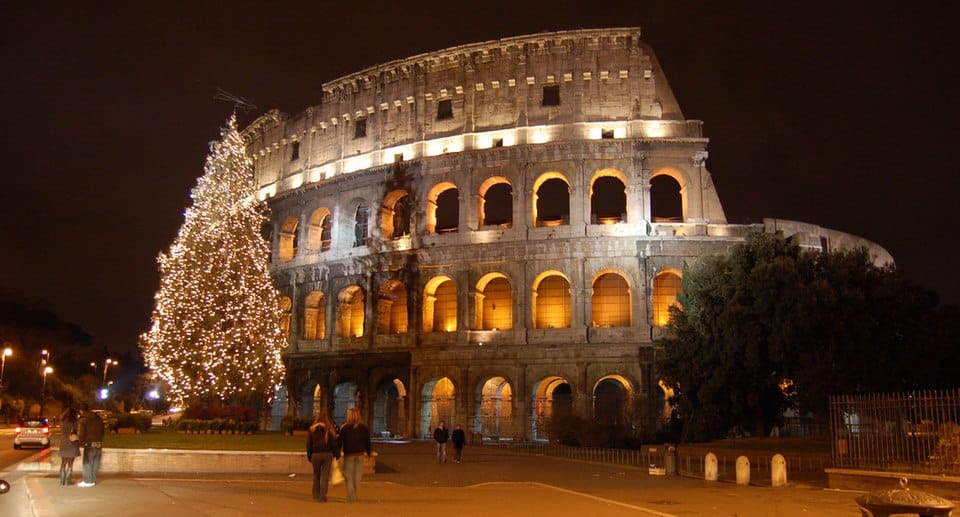
December 8th—the Feast of the Immaculate Conception (L’Immacolata Concezione)—marks the official beginning of Christmas season in Italy. This isn’t just some random date on the calendar; it’s when Italian families traditionally set up their Christmas trees, start preparing nativity scenes, and begin the slow, delicious countdown to Christmas Day.
The religious significance centers on the Catholic belief that Mary was born without original sin, but for most Italian families, December 8th means something simpler: it’s time to dig those dusty boxes out of storage and transform the house into a festive wonderland. Churches hold special masses, and in Rome, there’s this beautiful tradition where the Pope leads a ceremony at the Spanish Steps, placing garlands on a statue of the Virgin Mary.
What I find fascinating is how this day perfectly captures the Italian approach to Christmas—deeply spiritual, but also intensely family-oriented. December 8th is a public holiday, so families gather for elaborate meals featuring regional specialties. In Abruzzo, for example, you might find tables loaded with meat broth, tiny meatballs, and pizza rustica—comfort food that fills the house with those irresistible holiday aromas.
Il Presepe: The Heart of Italian Christmas
If there’s one tradition that truly defines Christmas in Italy, it’s the presepe (nativity scene). And I’m not talking about those simple little figurine sets you might pick up at a store. Italian nativity scenes are… well, they’re art projects, family heirlooms, and neighborhood competitions all rolled into one.
The tradition supposedly started with Saint Francis of Assisi back in 1223, when he created the first living nativity scene in a cave near Greccio. But by the 16th century, particularly in Naples, presepe-making had become this elaborate craft involving entire miniature villages, complete with butchers, bakers, and blacksmiths going about their daily business around the holy family.
What makes Italian nativity scenes special is how they blend the sacred with the everyday. Sure, you’ve got Mary, Joseph, and baby Jesus in the center, but surrounding them might be a detailed recreation of 18th-century Neapolitan street life. There’s something almost magical about seeing these tiny worlds come to life—moss gathered from nearby hills becomes rolling countryside, blue fabric dotted with stars becomes the night sky, and small lights simulate the cycle of day and night.
Naples remains the world center for presepe artisans, with Via San Gregorio Armeno transforming into “Christmas Alley” every year. Over 500,000 visitors walk through this narrow street, watching craftsmen hand-paint figurines and construct elaborate scenes that can take up entire rooms. Perhaps the most touching aspect? The empty manger that waits until Christmas Eve for the baby Jesus figure—a symbol of anticipation that every Italian child understands.

La Vigilia di Natale: Christmas Eve’s Seafood Feast
Christmas Eve in Italy—La Vigilia di Natale—revolves around one of the most beloved (and filling) traditions: the seafood feast. Traditionally, Italian Catholics abstained from meat on Christmas Eve, leading to the famous “Feast of Seven Fishes” that’s particularly popular in Southern Italy.
Now, the “seven” part isn’t exactly set in stone. Some families serve seven different fish dishes (supposedly representing the seven sacraments), while others might have nine, eleven, or however many the cook feels like preparing. The key dishes often include baccalà (salt cod), capitone (eel—considered especially lucky), and various seafood pastas that showcase Italy’s incredible coastal culinary heritage.
What I love about La Vigilia is how it brings families together for hours around the dinner table. The meal typically starts early in the evening and can stretch well into the night, especially if the family plans to attend La Messa di Mezzanotte (Midnight Mass) afterward. There’s something beautiful about this rhythm—the long, leisurely feast followed by the solemn, candlelit church service that officially welcomes Christmas Day.
Christmas Day & Santo Stefano: The Heart of Family Celebrations
December 25th in Italy is all about family, and the day typically revolves around il pranzo di Natale—Christmas lunch. Unlike the seafood-focused Christmas Eve, Christmas Day brings out the meat dishes: roasted lamb in central Italy, hearty pork roasts up north, and regional specialties that reflect centuries of local tradition.
But here’s what makes Italian Christmas unique: it doesn’t end on December 25th. December 26th is Santo Stefano (Saint Stephen’s Day), which became a public holiday in Italy in 1947—not necessarily for deep religious reasons, but to extend the Christmas celebration and give families two consecutive days off. It’s brilliant, really. Just when you think you’ve eaten your fill, there’s another day of festive meals and family time.
Saint Stephen’s Day varies by region, but it often includes attending special masses, participating in local processions, and continuing the feast with foods that might be lighter than Christmas Day’s elaborate spread. In some areas, like Putignano in Puglia, Santo Stefano marks the beginning of carnival season—a tradition dating back to 1394.
La Befana: Italy’s Christmas Witch
Just when you think Italian Christmas traditions couldn’t get more enchanting, along comes La Befana. She’s Italy’s answer to Santa Claus—except she’s an old witch who flies on a broomstick and delivers presents on January 6th, the Feast of the Epiphany.
The legend goes that when the Three Wise Men were traveling to see baby Jesus, they stopped to ask Befana for directions and invited her to join them. She declined (maybe she was busy cleaning—Italians love this detail), but later regretted her decision and set out to find the Christ child. Unable to locate him, she began leaving gifts for all the children she encountered, and she’s been doing it ever since.
What’s delightful about La Befana is her practical nature. Good children get sweets and small toys in their stockings, while naughty kids might find coal (usually sweet, edible coal these days). Before leaving, she sweeps the floors with her broomstick, symbolically sweeping away the year’s problems and preparing for a fresh start. In return, families leave out a glass of wine and a plate of food—because even magical beings need sustenance.
The town of Urbania claims to be her official residence and hosts a massive festival that draws around 50,000 people every year. But honestly, you’ll find Befana celebrations throughout Italy, from the famous Piazza Navona market in Rome to small village processions where locals dress up and reenact her story.
Regional Variations: Christmas Across Italy’s Diverse Landscape
One of the most fascinating aspects of Italian Christmas traditions is how dramatically they vary from region to region. It’s like each area took the basic framework of Christmas and added its own cultural fingerprint.
Northern Italy: Germanic Influences and Alpine Traditions
Up north, particularly in South Tyrol around Bolzano and Trento, you’ll find Christmas markets that feel almost German—which makes sense, given the historical Austrian influence. These markets feature intricate wood carvings, steaming cups of vin brulé (mulled wine), and sometimes even Krampus parades that blend Alpine folklore with Italian Christmas spirit.
In parts of Lombardy and Veneto, Saint Lucy (Santa Lucia) brings gifts on December 13th, flying on her donkey and leaving treats for children who’ve been good. Milan contributes panettone to the national Christmas table—that iconic sweet bread studded with candied fruits that’s become synonymous with Italian Christmas.
Central Italy: Roman Traditions and Tuscan Warmth
Rome holds a special place in Italian Christmas traditions, being both the heart of Catholicism and a center for ancient customs that predate Christianity. The Vatican’s midnight mass at St. Peter’s Basilica is broadcast worldwide, while local traditions include elaborate nativity scenes and the Pope’s annual blessing at the Spanish Steps.
Tuscany brings its own rustic elegance to Christmas, with traditional dishes like ribollita and panforte taking center stage at family tables. Tuscan Christmas markets offer local wines, pecorino cheese, and handmade crafts that reflect centuries of artisanal tradition.
Southern Italy: Passion, Seafood, and Living History
The South is where Italian Christmas traditions really come alive—literally, in some cases. Southern regions like Puglia, Campania, and Sicily are famous for their presepi viventi (living nativity scenes), where entire communities dress up in biblical costumes and reenact the nativity story, complete with live animals.
Sicily adds its own Mediterranean flair with dishes like caponata and pasta con le sarde appearing at Christmas tables, while regional sweets like cassata showcase the island’s Arabic and Greek influences. In Sardinia, Christmas might feature porceddu (roast suckling pig) and traditional sweets like pardulas—cheese pastries that have been made the same way for generations.
Naples deserves special mention for its contribution to nativity scene artistry. The city’s Via San Gregorio Armeno has been the center of presepe craftsmanship for centuries, with workshops that have been in continuous operation since the 18th century.

Christmas Markets: Italy’s Festive Bazaars
Italian Christmas markets—mercatini di Natale—might have borrowed inspiration from Germanic traditions, but they’ve developed their own distinctly Italian character. From the Alpine markets of Bolzano to the historic squares of Florence and Rome, these festive bazaars offer a perfect blend of local crafts, seasonal treats, and holiday atmosphere.
Verona’s Christmas markets are particularly spectacular, spreading across multiple piazzas including the famous Arena, where a massive comet sculpture creates a magical backdrop. Florence combines Renaissance architecture with holiday charm, while Naples brings its characteristic energy to outdoor celebrations that can feel more like neighborhood festivals than formal markets.
What sets Italian Christmas markets apart is their integration with local culture. You’re not just buying generic holiday items—you’re finding regional specialties, meeting local artisans, and experiencing traditions that are deeply rooted in each area’s history and identity.
The Modern Italian Christmas: Tradition Meets Contemporary Life
Perhaps what I find most remarkable about Italian Christmas traditions is how they’ve adapted to modern life while maintaining their essential character. Yes, you’ll find Babbo Natale (Santa Claus) in Italian cities now, but he coexists peacefully with La Befana rather than replacing her. Christmas trees stand alongside nativity scenes, and gift-giving has expanded beyond Epiphany to include Christmas Day—but the fundamental rhythm of the season remains unchanged.
The extended celebration period still defines how Italians experience Christmas. Schools and many businesses close from around December 22nd through January 6th, creating nearly two weeks when family takes priority over everything else. This isn’t just vacation time—it’s a cultural commitment to preserving the connections that make these traditions meaningful.
Experiencing Italian Christmas Traditions as a Visitor
If you’re planning to experience Italian Christmas traditions firsthand, timing and location matter enormously. December 8th through January 6th offers the full experience, but each phase of the season has its own character. Early December brings the excitement of preparation—nativity scenes going up, markets opening, families beginning their holiday shopping.
Christmas Eve and Christmas Day are intensely family-focused, making them wonderful times to accept dinner invitations if you’re lucky enough to receive them. The period between Christmas and New Year often feels like one continuous celebration, with Santo Stefano adding an extra day of festivities to the calendar.
Epiphany on January 6th provides a beautiful conclusion to the season, especially if you can witness La Befana celebrations in places like Rome’s Piazza Navona or participate in the traditional blessing ceremonies that mark the end of the Christmas cycle.
Want to enhance your Italian Christmas experience? Learn to say “Merry Christmas” in Italian before you arrive—it opens doors and hearts in ways that simple tourism never can.
The Deeper Meaning: Why Italian Christmas Traditions Endure
What strikes me most about Italian Christmas traditions is how they balance the sacred and the secular, the ancient and the contemporary, the local and the universal. These aren’t museum pieces or tourist attractions—they’re living traditions that continue to evolve while maintaining their essential spirit.
Whether it’s the careful placement of figures in a nativity scene, the patient preparation of Christmas Eve’s seafood feast, or the excited anticipation of La Befana’s arrival, Italian Christmas traditions create space for wonder, connection, and renewal. They remind us that celebration isn’t just about individual moments of joy, but about weaving those moments into larger patterns of meaning that connect us to family, community, and something larger than ourselves.
In a world that often rushes past the holidays as soon as December 25th ends, Italy’s extended Christmas season offers a different model—one that suggests that some things are worth savoring, that traditions gain power through repetition, and that the best celebrations are the ones that bring people together rather than isolate them in individual experience.
Related Italian Holiday Experiences
- Italian Christmas Food Guide: Traditional Holiday Dishes and Recipes
- Celebrating Christmas in Italy: Your Holiday Travel Guide
- Complete Italian Christmas Vocabulary: Beyond Merry Christmas
- Italian Christmas Cards and Holiday Messages: What to Write
- Italian New Year Greetings and Traditions: Buon Anno Guide


You May Also Like

Save Money On Your Holiday To Banyuwangi

3 Natural Highlights Around Wrightsville Beach, NC