
El Rodadero Beach Santa Marta: Complete Guide to This Family-Friendly Paradise
Understanding El Rodadero Beach
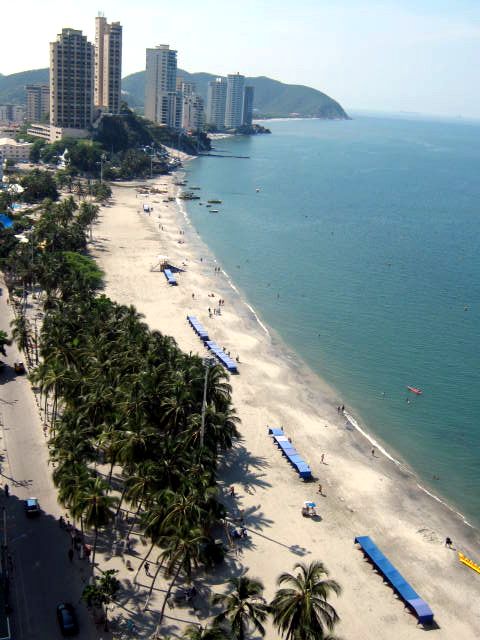
El Rodadero beach curves along a bay south of Santa Marta proper, creating this distinct resort zone that feels separate from the city’s Historic Center. The beach itself stretches nearly 2 kilometers, backed by a mix of high-rise hotels, condos, and restaurants that define the neighborhood’s character.
The water here stays relatively calm thanks to the bay’s protection, making it one of the more swimmable beaches in the Santa Marta area. You won’t fight strong currents or worry about dangerous riptides like at some Tayrona beaches. This is precisely why families gravitate here—parents can actually relax while kids play in the water without constant vigilance about safety.
The sand quality falls somewhere in the middle range—not the powdery white Caribbean sand of travel brochures, but decent enough. It’s golden-tan, reasonably clean (beach cleaners work daily, though you’ll still find occasional trash), and firm enough for comfortable walking. During high season, the beach can feel quite packed, especially on weekends and Colombian holidays when domestic tourists flood the area.
What really distinguishes El Rodadero from other Santa Marta beaches is the infrastructure. There are proper bathrooms, shower facilities, beach chair and umbrella rentals, multiple restaurants serving everything from fresh seafood to pizza, and vendors offering coconuts, fruit, empanadas, and cold drinks. You can set up for an entire day without needing to leave the beach for basic necessities.
The vibe leans touristy and somewhat commercialized, which bothers some travelers but works perfectly for others. If you want that authentic, undiscovered beach experience, look elsewhere. But if you want a comfortable, convenient beach day where everything functions smoothly, El Rodadero delivers exactly that. For a broader perspective on all beach options around Santa Marta, including more rustic alternatives, see our comprehensive Santa Marta beaches guide.
Getting to El Rodadero
From Santa Marta Historic Center
The easiest route involves taking a taxi from the Historic Center directly to El Rodadero. The ride takes about 10-15 minutes depending on traffic, covering roughly 5 kilometers. Expect to pay 12,000-18,000 COP ($3-$4.50 USD) for this trip. Taxis are abundant throughout Santa Marta, so finding one never poses much challenge.
Always confirm the price before getting in the taxi, or insist they use the meter. Most drivers prefer flat rates for tourist routes, which is fine as long as you agree on the price beforehand. Having small bills helps—drivers often claim they don’t have change for large notes.
Uber operates in Santa Marta and typically charges similar prices to taxis, sometimes slightly less. The advantage is transparent pricing and not needing to negotiate. Some taxi drivers get upset about Uber, so perhaps be discreet when using the app near taxi stands.
Local buses run between the center and El Rodadero for around 2,500-3,000 COP per person. They’re significantly cheaper but less convenient, especially if you’re carrying beach gear or traveling with kids. The buses operate frequently during daylight hours but can be crowded during peak times.
From the Airport
Santa Marta’s Simón Bolívar International Airport sits about 16 kilometers from El Rodadero. Taxis from the airport cost 25,000-40,000 COP depending on negotiation skills and time of day. Airport taxis typically charge higher rates than street taxis, which is standard worldwide.
Pre-arranged transfers through hotels or booking services cost slightly more but eliminate haggling and ensure someone’s waiting when you arrive. This matters particularly for late-night arrivals when you’re tired and don’t want to negotiate transportation.
The airport bus service offers the cheapest option at around 9,000-11,000 COP, but you’ll need to transfer in the Historic Center to reach El Rodadero. Unless you’re on an extremely tight budget, the time and hassle probably aren’t worth the savings.
From Other Neighborhoods
From Taganga, expect to pay 20,000-30,000 COP for taxis to El Rodadero since you’re crossing from the north side of the city to the south. The ride takes 20-30 minutes depending on traffic through the center.
Walking isn’t really feasible from any other neighborhood—distances are too far and the heat makes long walks quite unpleasant. Santa Marta isn’t a particularly walkable city for distances beyond the immediate neighborhood level.
Beach Sections and Where to Set Up
El Rodadero’s beach isn’t uniform—different sections attract different crowds and offer varying experiences. Understanding these zones helps you find the right spot for your beach day.
The Main Beach (Central Section)
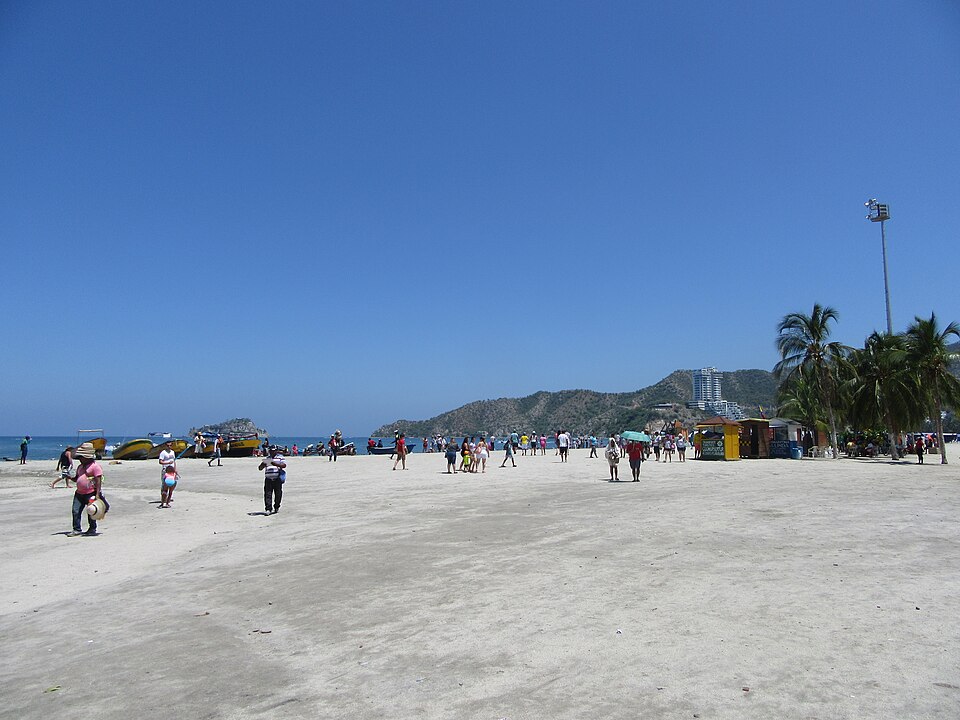
The central section directly in front of the main restaurant strip sees the heaviest crowds. This is where you’ll find the most beach chair rentals, the loudest music from beachfront bars, and the highest concentration of vendors approaching constantly with cold drinks, fresh fruit, and empanadas.
The water here tends to be busiest with swimmers, kids playing, and various water activities. It’s energetic and social, great if you enjoy that lively beach atmosphere but potentially overwhelming if you’re seeking tranquility.
Beach chair and umbrella combos rent for about 15,000-30,000 COP per day depending on location and season. The vendors control different sections, so prices can vary slightly. Arriving early (before 10 AM) gives you better spot selection before things fill up.
Northern End (Toward Punta Betin)
The northern section near where the beach curves toward Punta Betín tends to be somewhat quieter. There are fewer vendors, less commercial infrastructure, and consequently fewer crowds. The water quality remains good, and swimming is still safe.
This area works well if you want a more relaxed experience while maintaining access to El Rodadero’s conveniences. You can still walk to restaurants when hungry, but you’re removed from the most intense tourist zones.
Some locals prefer this section, which can add a different vibe compared to the heavily touristy central beach. You’ll see more Colombian families doing leisurely beach days rather than tourists checking boxes on itineraries.
Southern End (Toward Inca Inca Beach)
The southern section gradually transitions toward the smaller Inca Inca beach. It’s rockier in places, less suitable for swimming, and generally quieter. Some travelers prefer this area for the relative peace, though you sacrifice some convenience.
This end sees more local vendors selling crafts and souvenirs rather than just food and drinks. If you’re interested in browsing handmade jewelry, bags, or typical tourist items, you’ll find more options here.
The water can be slightly rougher at this end, particularly when Caribbean winds pick up. It’s still generally safe but requires more attention with small children.
Water Activities and Beach Entertainment
Swimming and Water Safety
El Rodadero’s protected bay creates naturally calm conditions that make swimming genuinely pleasant. The water depth increases gradually from shore, giving nervous swimmers and kids a comfortable entry. You won’t encounter the dramatic dropoffs or strong currents that plague some Caribbean beaches.
That said, normal water safety practices still apply. Supervise children constantly, pay attention to any posted warning flags (rare but they exist), and avoid swimming if you’ve been drinking heavily. The calm conditions can create false confidence.
Jellyfish occasionally appear, though they’re not a constant problem. If you see them or notice other swimmers getting stung, perhaps take a break from the water until they drift away. The stings are usually minor but uncomfortable.
Water clarity varies based on recent weather and wave action. On good days, you can see your feet clearly in waist-deep water. After storms or rough seas, sediment clouds the water for a day or two. It’s still safe for swimming, just less appealing for those who prefer clear water.
Jet Skis and Banana Boats
Multiple operators along the beach rent jet skis for around 80,000-120,000 COP per hour. Prices fluctuate based on season and negotiation. If you’ve never ridden a jet ski, the operators provide brief instruction, though “brief” is the operative word—don’t expect comprehensive safety training.
Banana boat rides cost about 15,000-25,000 COP per person for a 15-20 minute ride. These inflatable banana-shaped boats get pulled behind speedboats, bouncing over waves while riders try to hang on. Kids generally love them; adults either find them hilarious or mildly terrifying depending on personality.
Parasailing is available through certain operators, typically costing 100,000-150,000 COP per person. You get towed behind a boat while attached to a parachute, soaring above the bay with aerial views of the coastline. It’s perhaps the most expensive beach activity but creates memorable experiences if heights don’t bother you.
Kayak and Paddleboard Rentals
Some vendors rent kayaks and stand-up paddleboards for exploring the bay at your own pace. Expect to pay 30,000-50,000 COP per hour depending on equipment quality and negotiation. This offers a more peaceful way to enjoy the water compared to the motorized options.
The protected bay conditions work perfectly for these activities—you won’t fight strong currents or get blown out to sea. Even beginners can paddle around comfortably, and the exercise feels good after hours of beach lounging.
Beach Soccer and Volleyball
Informal beach soccer and volleyball games often form spontaneously, particularly in the late afternoon when the sun becomes less intense. Joining in offers a fun way to meet locals and other travelers while getting some exercise.
Some sections have permanent volleyball nets, while soccer games happen wherever there’s open space. Don’t be shy about asking to join—beach games in Colombia tend to be welcoming and casual rather than intensely competitive.
 Dining and Beach Vendors

Beachfront Restaurants
El Rodadero’s restaurant strip running parallel to the beach offers extensive dining options. Expect typical beach fare—fresh seafood (fish, shrimp, lobster), grilled meats, rice dishes, pasta, and pizza. Quality varies from excellent to mediocre, so choosing carefully matters.
Prices reflect the tourist location, running higher than equivalent meals in the Historic Center but not outrageously so. A full fish meal with sides costs around 30,000-50,000 COP ($8-$12 USD). Fresh fruit juices run 6,000-10,000 COP. Beers cost 5,000-8,000 COP depending on brand and happy hour timing.
Restaurante Donde El Frances consistently gets good reviews for seafood quality and reasonable prices. Their cazuela de mariscos (seafood casserole) and whole fried fish are particularly popular. Expect to pay 35,000-60,000 COP per person for a full meal with drinks.
La Parrilla de Pepone specializes in grilled meats alongside seafood options. The outdoor seating provides nice ocean views, and the portions are generous. Prices run similar to Donde El Frances—mid-range by tourist standards.
Restaurante El Rodadero 1950 claims historical significance as one of the original beachfront establishments. The food is solid if unspectacular, but the setting and history add appeal. It’s slightly more expensive than nearby options but not dramatically so.
Most restaurants offer basically similar menus—the key differences are pricing, service quality, and atmosphere. Walking the strip and comparing menus before committing helps ensure you find the right fit for your group and budget.
Beach Vendors
Throughout the day, vendors circulate constantly offering cold drinks, fresh coconuts, fruit, empanadas, arepas, and various snacks. Their persistence can range from charming to annoying depending on your mood and how often you want to say “no gracias.”
Prices are negotiable but generally reasonable. Cold beer costs around 3,000-5,000 COP. Fresh coconuts run 5,000-8,000 COP. Empanadas cost 2,000-3,000 COP each. These vendors provide convenient service—you can stay on your beach chair while getting snacks and drinks brought to you.
Some vendors also sell souvenirs—hammocks, bags, jewelry, sunglasses, sarongs. Quality varies wildly, and prices start inflated expecting negotiation. If you’re interested, budget about 50-60% of the initial asking price as your opening counter-offer and work from there.
Women occasionally offer massage services and hair braiding on the beach. Basic beach massages cost 20,000-40,000 COP depending on length and negotiation. Hair braiding prices vary based on complexity. These services can be genuinely nice or feel awkward depending on the provider and your comfort level.
Nearby Attractions and Day Trips
Aquarium and Museum of the Sea
The Aquarium sits on a small island just offshore from El Rodadero, accessible via quick boat rides departing from the beach throughout the day. The boats run every 15-30 minutes costing about 8,000-12,000 COP round-trip per person.
The aquarium itself charges entrance fees around 25,000-35,000 COP for adults, less for children. Inside you’ll find typical Caribbean sea life—tropical fish, small sharks, rays, sea turtles, and dolphins. The dolphin shows run several times daily and remain popular despite growing ethical concerns about captive marine mammals.
The facilities are somewhat dated by international aquarium standards but offer a decent educational experience particularly for kids. Plan to spend 1-2 hours exploring. The island also has beaches where you can swim and relax between aquarium visits.
Whether the aquarium justifies the time and expense depends largely on traveling with children. Kids generally enjoy it; adults without kids might find it less compelling unless they’re particularly interested in marine life.
Boat Trips to Playa Blanca
Playa Blanca represents one of the most popular day trip destinations from El Rodadero. Boats depart throughout the morning (typically between 9:00-11:00 AM) and return in the afternoon (3:00-5:00 PM). Round-trip costs run 30,000-50,000 COP per person depending on operator and season.
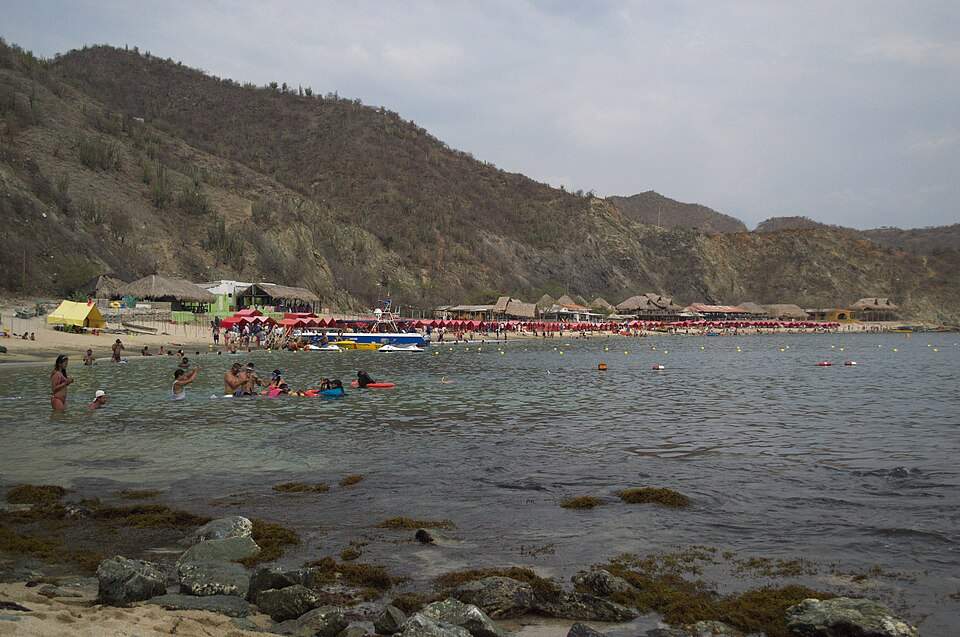
Playa Blanca delivers that postcard-perfect white sand beach experience El Rodadero lacks. The water is clearer, the beach is prettier, and the overall aesthetic is more natural. However, it’s also heavily visited and somewhat commercialized with vendors and beach chair rentals.
The boat ride itself takes about 45 minutes each way, cruising along the coastline with nice views. Some operators combine the Playa Blanca trip with snorkeling stops at coral reefs or visits to the aquarium island. For comprehensive information about boat tour options, see our complete Santa Marta boat tours guide.
Tayrona National Park Access
While El Rodadero isn’t the closest base for visiting Tayrona, it’s certainly feasible. Tours to Tayrona typically pick up from El Rodadero hotels as part of their routes. The extra 15-20 minutes of travel compared to the Historic Center isn’t significant.
If you’re staying in El Rodadero and planning Tayrona visits, confirm pickup availability with tour operators when booking. Most major operators service El Rodadero, but smaller operations might only pick up from the Historic Center. For everything you need to know about visiting Tayrona, including which beaches to prioritize, check our comprehensive Tayrona National Park guide.
Teleférico (Cable Car)
The cable car connects El Rodadero beach with Punta Betín viewpoint, offering aerial perspectives of the bay and coastline. The ride takes about 10 minutes each way, and tickets cost around 15,000-20,000 COP per person round-trip.
At the top, you’ll find viewing platforms with panoramic vistas, some souvenir shops, and a cafe serving drinks and snacks. It’s pleasant enough, particularly for photos, though probably not essential unless you have extra time or kids who’d enjoy the cable car ride itself.
The best time for the cable car is late afternoon when the sun becomes less intense and lighting improves for photography. Some people time it for sunset, though the exact sunset views depend on the time of year.
Best Time to Visit El Rodadero
Seasonal Considerations
El Rodadero experiences its highest crowds during Colombia’s main vacation periods—December through January (Christmas/New Year), Holy Week (Easter), and July through August (school holidays). During these peaks, the beach can feel genuinely packed, especially on weekends.
The weather stays fairly consistent year-round thanks to tropical location—warm temperatures (28-32°C / 82-90°F) with high humidity. The driest months run December through March with less rainfall and calmer seas. This period offers the most reliably pleasant beach conditions.
April through June and September through November bring more rainfall. This doesn’t mean constant rain—more like afternoon showers that pass quickly. The beach is less crowded during these periods, and hotel prices often drop slightly. If you don’t mind occasional rain and prefer fewer crowds, these shoulder months offer good value.
Perhaps the key insight is that El Rodadero’s developed infrastructure means it functions well even during less optimal weather. You have restaurants to duck into during rain, proper bathrooms and showers, and the ability to pivot to indoor activities like the aquarium if weather turns bad.
Time of Day
Early morning (before 10:00 AM) offers the calmest beach experience with fewer crowds and often clearer water. The sun is less intense, making it more comfortable for activities beyond just swimming.
Midday brings intense sun and heat. Most beachgoers seek shade during the 12:00-3:00 PM peak heat. This is when beach chairs with umbrellas prove their worth. Sunscreen becomes absolutely essential—the Caribbean sun at this latitude is no joke.
Late afternoon (after 4:00 PM) sees crowds thin as people head back to hotels or out for dinner. The sun becomes less intense, creating pleasant conditions for swimming or beach walks. This is when you’ll often see the spontaneous soccer and volleyball games forming.
Sunset timing varies by season but generally occurs between 5:30-6:30 PM. El Rodadero faces west-ish, creating decent sunset views over the water, though mountains partially block the horizon depending on exact positioning.
Day of Week Matters
Weekends (particularly Sunday) see the highest crowds as Colombian families make day trips from nearby cities. If you want a more peaceful experience, visit Monday through Thursday when crowds thin noticeably.
Colombian public holidays and long weekends (puentes) bring massive crowds—the beach can feel almost overwhelmingly packed during these periods. Hotels raise prices, and facilities can feel strained. If your dates coincide with Colombian holidays, adjust expectations and perhaps book accommodations further in advance.
Family-Friendly Features
Why Families Choose El Rodadero
El Rodadero’s family-friendly reputation is well-deserved for several concrete reasons. The calm water means parents can actually relax rather than constantly worrying about undertows or riptides. The gradual depth increase lets kids play in shallow water safely while adults can swim deeper without going far from shore.
The infrastructure makes full-day beach visits logistically feasible. Proper bathrooms eliminate the “where do the kids go when they need to pee” problem that plagues remote beaches. Restaurants provide reliable meal options without needing to pack elaborate beach picnics. The beach chair and umbrella rentals mean you’re not carrying tons of gear.
The activities—banana boats, beach soccer, sandcastle building—keep kids entertained beyond just swimming. Bored children make beach days miserable for everyone, so having entertainment options matters immensely.
The proximity to other family-friendly attractions (aquarium, Playa Blanca boats, cable car) means you can vary activities if the beach alone doesn’t hold kids’ attention for multiple days. Having backup options relieves pressure.
Practical Family Tips
Arrive early to secure good beach chair spots before the sun becomes too intense. This also means cooler swimming conditions for kids who overheat easily.
Bring or buy reef-safe sunscreen and reapply frequently. Children’s skin burns quickly under Caribbean sun, and dealing with sunburned kids ruins everyone’s vacation.
The beach vendors sell fresh fruit and coconuts—these make excellent snacks for kids and help with hydration. Mangoes, watermelon, and pineapple are typically available and keep well in the heat.
Consider renting a beach umbrella even if you’re using sunscreen. Having reliable shade matters more than people realize, especially for babies and toddlers who overheat quickly.
Pack water shoes if kids are sensitive about walking on sand or shells. Some sections have occasional rocks or shells that bother tender feet.
The beachfront restaurants mostly welcome families—high chairs are available at many places, and servers are generally patient with children. The casual atmosphere means you don’t need to stress about kids being perfectly behaved.
Safety and Practical Considerations
Crime and Beach Safety
El Rodadero is generally safe during daylight hours when the beach is crowded. The main concern is petty theft—bags left unattended on the beach, phones sitting on towels while you swim, wallets in unlocked rental lockers.
Use basic precautions: don’t bring unnecessary valuables to the beach, keep one person with belongings while others swim, use hotel safes for passports and extra cash, and stay alert to your surroundings. The large crowds actually help deter theft since there are always people around.
After dark, the beach empties and safety concerns increase. Walking the beach at night isn’t particularly advisable, and the neighborhood can feel sketchy after midnight. Stick to well-lit, populated areas if you’re out late.
The water itself is safe—no dangerous marine life concerns beyond occasional jellyfish. Lifeguards aren’t consistently present, so you’re responsible for your own safety and supervising children.
Health Considerations
Hydration is critical. The heat and humidity, combined with sun exposure and salt water, dehydrate you faster than expected. Drink water constantly—vendors sell bottled water for reasonable prices, and restaurants provide it free with meals.
Sunburn ruins vacations more than almost anything else. Use strong sunscreen (SPF 50+), reapply every 2 hours or after swimming, and wear hats or rash guards for extended sun exposure. The Caribbean sun is intense even on cloudy days.
Food safety at beach vendors and restaurants is generally fine, though use common sense. Avoid anything sitting out in the heat for hours. Cooked-to-order food from restaurants is safest. Fresh fruit from vendors is typically fine since it’s peeled.
The bathrooms along the beach charge small fees (500-1,000 COP) but are maintained better than completely free facilities. Carry small change for this purpose.
Environmental Responsibility
El Rodadero’s popularity creates environmental pressure. You can minimize your impact by using reef-safe sunscreen (regular sunscreen damages marine ecosystems), disposing of trash properly, and saying no to single-use plastics when possible.
The beach cleaning crews work hard to maintain cleanliness, but ultimately, visitors determine the beach’s condition. Pack out what you pack in, use the provided trash bins, and perhaps pick up a few pieces of litter even if they’re not yours. Small actions compound across thousands of daily visitors.
El Rodadero vs. Other Santa Marta Beaches
El Rodadero vs. Historic Center Beach
El Rodadero wins decisively in terms of beach quality, water conditions, and infrastructure. The Historic Center’s urban beach is convenient if you’re staying downtown but doesn’t compare to El Rodadero for actual beach enjoyment. If your main goal is beach time, staying in or visiting El Rodadero makes more sense.
El Rodadero vs. Tayrona Beaches
Tayrona offers dramatically more beautiful scenery—that jungle-meets-ocean aesthetic is genuinely spectacular. The beaches feel wilder and more pristine. However, Tayrona requires hiking, has limited facilities, and some beaches aren’t safe for swimming.
El Rodadero provides the opposite experience—less scenic but far more convenient and comfortable. Families with young kids, older travelers, or anyone wanting relaxed beach days without hiking will probably prefer El Rodadero. Adventure seekers and nature lovers should prioritize Tayrona.
The ideal Santa Marta beach experience perhaps includes both—Tayrona for that spectacular nature experience and El Rodadero for comfortable beach lounging days.
El Rodadero vs. Taganga
Taganga offers budget accommodation and a backpacker vibe that El Rodadero completely lacks. Taganga’s beach is smaller and less appealing than El Rodadero’s, but it serves as a good launching point for diving and boat trips.
El Rodadero caters to families and comfort-focused travelers, while Taganga attracts backpackers and budget travelers. The neighborhood vibes are completely different—neither is better, just different audiences.
If you’re choosing between staying in one or the other, consider whether you prioritize budget and backpacker social scene (Taganga) or comfort and beach quality (El Rodadero). For detailed comparisons of all accommodation areas, see our complete guide to where to stay in Santa Marta.
El Rodadero vs. Playa Blanca
Playa Blanca delivers prettier white sand and clearer water than El Rodadero. However, reaching it requires boat trips rather than simple taxi rides, and facilities are more limited once you’re there.
The smart approach is treating Playa Blanca as a day trip from El Rodadero rather than choosing between them. Stay in El Rodadero for convenience, and take a day trip to Playa Blanca for that picture-perfect Caribbean beach experience. You get the best of both worlds this way.
Where to Stay in El Rodadero
We covered El Rodadero accommodation extensively in our neighborhood guide, but quick recommendations bear repeating for convenience.
Budget: Del Mar Hotel offers three-star comfort at reasonable rates ($50-$70/night) with pool and breakfast. Hotel Casamart Rodadero provides even cheaper options ($40-$60) though quality is more basic.
Mid-Range: Akela Gaira Hotel ($80-$120) offers spectacular views from hillside location. Hotel Mandalas House by DOT Boutique ($120-$180) brings actual style to El Rodadero with well-designed suites and wellness center.
Luxury: Irotama Resort ($180+) dominates the resort category with extensive facilities and all-inclusive options. Best Western Plus Santa Marta Hotel ($130-$180) provides beachfront international chain standards.
Apartments: Vacation rentals work well for families, offering 4-6 person capacity for $70-$150/night depending on exact location and length of stay. The value improves significantly with longer stays.
For comprehensive accommodation information including all neighborhoods and budget levels, see our detailed where to stay guide.
Is El Rodadero Worth Visiting?
Let’s address this question directly with honest context about who benefits most from El Rodadero and who might find it disappointing.
El Rodadero Works Best For:
- Families with children: The calm water, proper facilities, and kid-friendly activities create stress-free beach days. Parents can actually relax rather than constantly managing logistics.
- First-time Colombia visitors: The comfort and infrastructure ease culture shock while still providing genuine Caribbean beach experience.
- Travelers wanting reliable beach days: The developed facilities mean beach plans work regardless of small complications—forgot sunscreen? Buy it nearby. Kids need bathroom? Proper facilities exist.
- Those mixing beach time with adventure: Use El Rodadero as comfortable home base while day-tripping to Tayrona and other attractions.
- Older travelers or those with mobility concerns: No hiking required, easy beach access, and comprehensive facilities make it accessible for various physical abilities.
El Rodadero Might Disappoint:
- Backpackers on tight budgets: El Rodadero skews more expensive than budget-focused neighborhoods like Taganga.
- Travelers seeking authentic local culture: The tourist-focused development means less cultural immersion and more commercialized experience.
- Nature lovers wanting pristine beaches: The high-rise buildings and crowds create a very different atmosphere than wilder beaches like Tayrona.
- Those avoiding tourist scenes: El Rodadero embraces its tourist identity completely—if that bothers you, look elsewhere.
- Travelers prioritizing nightlife: El Rodadero is quieter in evenings, lacking the bar and restaurant scene of the Historic Center.
My Personal Take
El Rodadero delivers exactly what it promises—a comfortable, family-friendly beach experience with good infrastructure and reliable services. It doesn’t pretend to be an undiscovered paradise or an authentic local hangout. It’s a developed beach resort area, and it functions well in that role.
I’ve seen travelers disappointed by El Rodadero, but usually because they arrived expecting something it never claimed to be. If you want pristine jungle beaches, go to Tayrona. If you want backpacker social scene, try Taganga. But if you want a comfortable beach day with kids, or you’re recovering from rough travel elsewhere in Colombia and just want easy beach relaxation, El Rodadero serves its purpose well.
Perhaps the smartest approach is viewing El Rodadero as one component of a diverse Santa Marta beach experience rather than your sole beach visit. Spend a day or two here enjoying the comfort and convenience, then explore other beaches for different perspectives. The variety creates a richer overall experience than committing entirely to any single beach type.
Final Thoughts
El Rodadero beach won’t make anyone’s “most beautiful beaches in the world” list, and that’s perfectly fine. Not every beach needs to be a pristine natural wonder. Sometimes you want comfort, convenience, reliable facilities, and the ability to enjoy a full beach day without complicated logistics or safety concerns.
That’s what El Rodadero delivers—a functional, pleasant, family-friendly beach experience that prioritizes visitor comfort over natural aesthetics. The calm water means safe swimming. The infrastructure means comfortable full-day visits. The proximity to Santa Marta means easy access without remote location challenges.
The crowds and commercialization that bother some travelers are precisely what make El Rodadero work for others. The vendors mean you don’t need to pack elaborate beach supplies. The restaurants mean reliable meals without leaving the beach. The water activities mean entertainment options beyond just swimming.
Understanding what El Rodadero is—and isn’t—allows you to set appropriate expectations and decide whether it fits your Santa Marta plans. It’s not trying to be Tayrona, and that’s okay. Different beaches serve different purposes, and El Rodadero serves its niche well.
If your Santa Marta beach priorities include family-friendly conditions, reliable infrastructure, easy accessibility, and comfortable facilities, El Rodadero deserves a prominent place in your itinerary. If those things don’t particularly matter to you, other beaches might better match your preferences.
Either way, you now have the complete picture to make an informed decision. El Rodadero beach awaits with its calm waters, beach chair rentals, cold beers, and that reliable, comfortable beach day experience that sometimes hits the spot better than the most pristine natural paradise. For planning your complete Santa Marta beach experience including all options, see our comprehensive Santa Marta beaches guide.