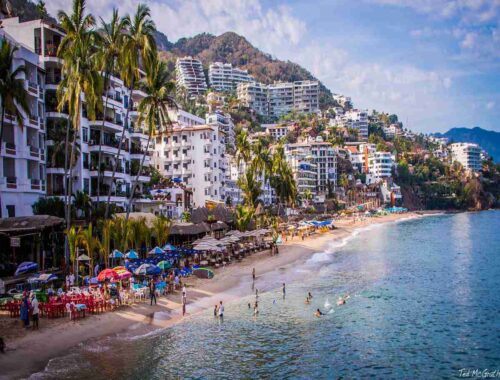

Things to do in Bogota Colombia: a local-feeling guide
If you’re planning a first trip and typing “things to do in bogota colombia” into Google, I get it. Bogotá can look a little intimidating on a map—big, sprawling, and (at first glance) hard to “solve” in a short visit. But once you accept one simple idea—plan by neighborhood and time of day—it becomes surprisingly easy to enjoy. Also, a quick reality check: the city sits high in the Andes (about 2,600m / 8,530ft), so even fit travelers sometimes feel the altitude on day one. Take it slow at first; you’ll have more fun later.
This guide is built for independent travelers who want a practical, human itinerary—museums and viewpoints, yes, but also those in-between moments: a fruit juice at a market, a street-art detour you didn’t expect to like, a neighborhood that just feels right for dinner. I’ll suggest a few tours when they genuinely make life easier, but you can do most of this on your own.
Before you start: Bogotá is best
Bogotá rewards the traveler who groups sights into walkable pockets. La Candelaria (the historic center) is one pocket. Chapinero and nearby areas are another. Usaquén is its own weekend-ish mood. If you try to bounce between them all day long, you’ll spend your trip inside traffic. Maybe that sounds obvious, but it’s the number-one mistake I see people make.
One more thing—this is a city where timing matters. Some experiences shine early (Monserrate, markets). Others are better later (neighborhood dining, nightlife). So as we go, I’ll keep nudging you toward the “when,” not just the “what.”
things to do in bogota colombia (the can’t-miss list)
Let’s start with the heavy hitters—the experiences that show up again and again because, honestly, they deserve to. If you only have a couple of days, pick from this section and then jump to the 48-hour plan below.
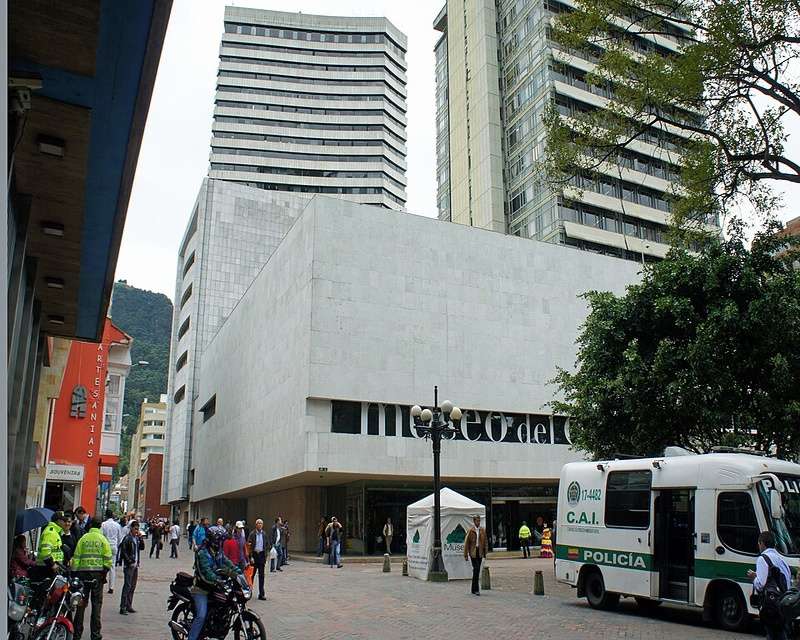
Start with the Museo del Oro (Gold Museum)
If you do one museum in Bogotá, make it the Museo del Oro. It holds one of the world’s largest collections of pre-Columbian goldwork—tens of thousands of pieces—which is a pretty staggering way to understand just how sophisticated Indigenous artistry was in this region long before Europeans arrived.
What I like here is that it doesn’t feel like “a pile of shiny objects.” You start connecting patterns: symbolism, rituals, how materials were used, and what different communities valued. Give yourself at least 1.5–2 hours, and go earlier in the day if you can—museums are simply more pleasant before the afternoon crowd.
Go up to Monserrate (but pick your moment)
Monserrate is the classic Bogotá viewpoint: a mountain that rises above the center with a church at the top, big views, and a slightly touristy-but-fun vibe. The trick is going at the right time. Arrive early if you want calm and cleaner views; sunsets can be beautiful too, but they can also be crowded and weather-dependent.
Most travelers take the cable car or funicular. There’s also a stair-heavy hiking route if you’re up for it, though I think it’s wise to see how you handle the altitude first. If you want the detailed logistics (timing, what to wear, what to expect), I wrote a separate guide here: Monserrate Bogotá guide.
Wander La Candelaria slowly (and let it be a little messy)
La Candelaria is the historic district where Bogotá feels most like the postcard version of itself—colonial-era streets, colorful facades, cafés inside old houses, and a steady student energy. It’s also where you’ll find key landmarks around Plaza de Bolívar, and it’s one of the best areas for walking without a rigid plan.
I think La Candelaria is at its best when you accept a little randomness: you turn a corner, stumble into a small gallery, or pause for coffee because the street musicians are good. If you prefer a more structured approach (with a walking route you can follow), use this: La Candelaria Bogotá: what to do + a walking route.
Take a graffiti walk to see Bogotá’s modern voice
Bogotá’s street art scene isn’t just decorative—it often carries social and political messages, and it’s part of how the city tells its story now, not 200 years ago. In and around La Candelaria, graffiti tours are common, and even if you’re not “a street art person,” I’d still consider it. It’s one of those activities that quietly upgrades your understanding of the city.
If you’re doing this independently, go in daylight and treat it like a slow walk. If you’re the type who enjoys context (who painted this, why here, what’s the reference?), a guided tour is worth it.
Try tejo (yes, the one that goes boom)
Tejo is a Colombian pastime that involves throwing a heavy metal puck at a clay board with small gunpowder targets. When you hit one, it pops. It’s loud, silly, and oddly satisfying—especially with a beer. Bogotá has venues where locals and visitors play casually, and it’s a great “evening activity” when you want something social but not a nightclub.
I’ll admit: I didn’t expect to enjoy it as much as I did. But it’s one of those rare cultural experiences that doesn’t require deep knowledge—just a willingness to miss the target a few times and laugh about it.
Go fruit tasting at Mercado Paloquemao
Paloquemao is a large market where you can try an absurd variety of Colombian fruits—lulo, guanábana, granadilla, and plenty you’ve probably never heard of. It’s also a reminder of how geographically diverse Colombia is; produce arrives from different regions, and you can feel that range in one place.
Go in the morning when the market is lively and you’re hungry. If you want an easy “market breakfast,” look for simple local dishes and fresh juices. Weekdays tend to be calmer; weekends can be packed.
Do Sunday Ciclovía if you’re in town for it
If your trip includes a Sunday morning, try Ciclovía: major roads close to cars so cyclists and pedestrians can take over. It changes the feel of the city—suddenly Bogotá feels more breathable, more playful, and much easier to explore on two wheels.
This is also one of the safest-feeling moments to bike through parts of the city that might feel stressful on a normal weekday. Rent a bike, join the flow, stop for a snack, and don’t over-plan it.
Spend an evening in Chapinero (food, bars, and a more modern pace)
Chapinero (and nearby sub-areas) is where a lot of travelers end up when they want a dinner scene that feels contemporary—great restaurants, cocktail bars, and a generally lively atmosphere. It’s not “better” than La Candelaria, just different. And after a day of museums and walking, that shift can feel refreshing.
If you’re weighing where to book accommodations, many travelers like staying around Chapinero/Zona Rosa for the evening convenience and using rides to visit the historic center during the day. It’s a common strategy for a reason.
Consider a big night out (if it fits your energy)
Bogotá can go late. Very late. If you want a nightlife story to take home, you’ll find it—everything from salsa spots to massive clubs. The only honest caution is this: decide what kind of night you want before you start. A relaxed bar crawl is different from an all-in dance club night, and mixing the two can get messy.
If you’re curious about iconic venues (including major LGBTQ+ nightlife), Lonely Planet highlights places like Theatron as a headline experience. It’s not for everyone, but it’s absolutely memorable if you like big, high-energy clubs.
things to do in bogota colombia if you only have 48 hours
Two days in Bogotá is enough for a satisfying “first look,” but only if you keep it tight. This is my favorite approach: one day focused on the historic center, one day that blends a viewpoint with modern neighborhoods and food.
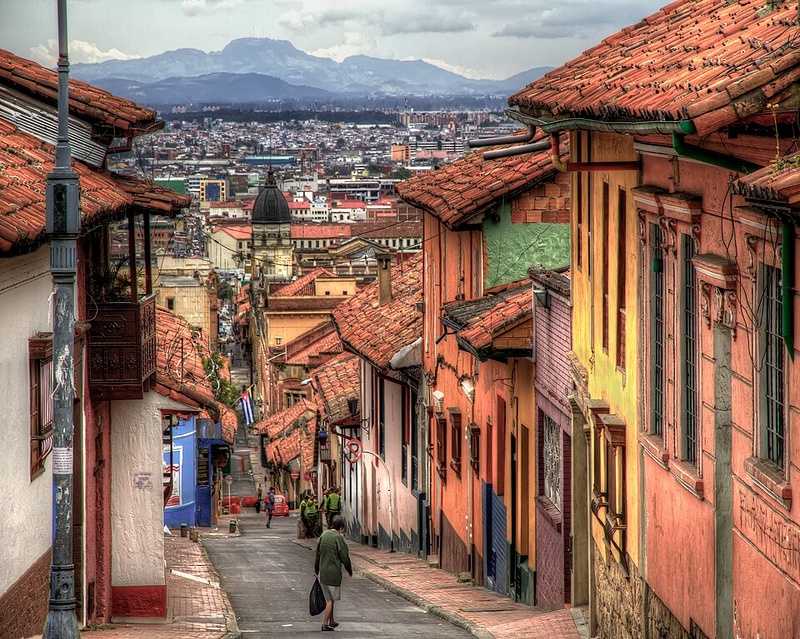
Day 1: La Candelaria + museums + street art
Start at Plaza de Bolívar and let the historic center unfold from there. Walk through La Candelaria slowly, pop into a museum (Museo del Oro is the best use of time for most people), and consider a graffiti walk in the afternoon when you’re ready for a change of pace.
If you want a route that’s already thought through—so you don’t spend your whole morning “deciding”—follow this: La Candelaria Bogotá walking route.
Evening idea: keep it gentle. Maybe a good dinner, maybe one casual drink. Your body might still be negotiating the altitude, and pushing too hard on night one can backfire.
Day 2: Monserrate early + market + a modern neighborhood dinner
Go to Monserrate early. I know, it’s tempting to “sleep in on vacation,” but the early window is calmer and the light is often better. Then come down and refuel—Paloquemao is a great late-morning stop if you like markets and fruit tasting.
Finish the afternoon and evening in Chapinero (or nearby) with a meal you actually care about. Bogotá’s dining scene is one of the most underrated reasons to visit, and I’d rather you have one great dinner than three forgettable ones.
Bogotá by neighborhood (how to plan without stress)
If you’re staying more than two days, this section is your best friend. Use it to group your days and reduce transit time.
La Candelaria (historic center)
Think: colonial streets, museums, historic plazas, and some of the city’s most photogenic corners. It’s also where guided graffiti walks are common, and where you can stack multiple “big” sights into one day.
A small, practical note: visit in daylight and keep valuables discreet, especially on quieter streets. I’m not saying this to scare you—it’s just the kind of common sense that makes travel smoother.
Chapinero and nearby areas (cafés, dining, nightlife)
Chapinero is a good base if you like being able to walk to dinner, cafés, and evening spots. It can feel more “everyday Bogotá” than the historic center, which is often what travelers want after a day of sightseeing.
If your trip includes nightlife, it’s also convenient: you’re closer to many venues, and getting home is simpler. I prefer convenience at night—my future self always thanks me.
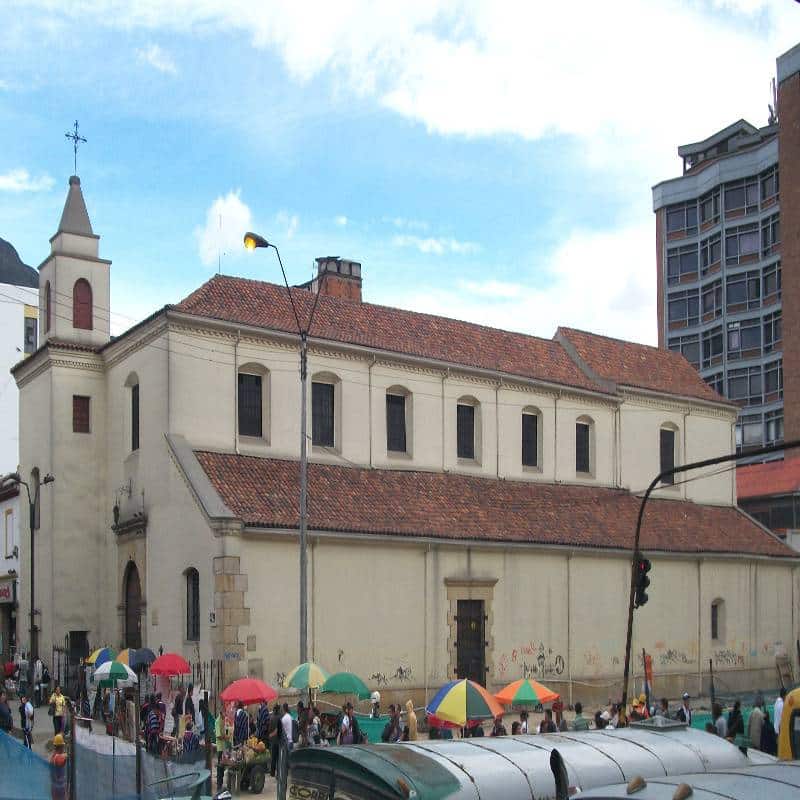
San Felipe (art spaces + tejo)
San Felipe has become a name people associate with art galleries and creative spaces, and it’s also a popular area to try tejo. If you want a more local-feeling evening that isn’t built around “tourist nightlife,” this is a good candidate.
This is one of those neighborhoods that can feel a little “in progress,” which I mean in a positive way. Not polished, but interesting.
Usaquén (weekend stroll energy)
Usaquén is known for its weekend crafts market and a calmer, more upscale stroll-and-eat atmosphere. If you’re in Bogotá for several days, it’s a nice change of pace—especially on a Sunday.
I wouldn’t build an entire first-time trip around Usaquén, but as a half-day? Lovely. And sometimes that’s exactly what you want.
Food and drink experiences you’ll remember
Bogotá is a city where food can be an “activity,” not just fuel. And if you’re coming from somewhere at sea level, a warm soup and a slow meal can feel surprisingly perfect.
Do a market morning (Paloquemao)
If you like trying new flavors, Paloquemao is one of the easiest wins in Bogotá. You can sample fruits, drink juices, and watch the city’s daily rhythm. It’s not curated; it’s not trying to impress you. That’s kind of the charm.
Try classic comfort foods (with realistic expectations)
A few traditional items show up often in Bogotá: changua (a milky egg soup), tamales, hot chocolate with cheese (yes, really), arepas in many forms. You may love them, you may find them “just okay,” and that’s fine. Trying them once is part of the experience.
I’ll be honest: hot chocolate with cheese sounds strange until you do it. Then it’s still strange, but in a way you start defending to your friends afterward.
Make time for one “big” dinner
Bogotá has restaurants that turn dinner into a full event—sometimes literally, with music and dancing later in the night. If you want that kind of evening, it can be a highlight of the trip. If you don’t, you can absolutely skip it and still eat well.
Nature breaks inside the city (when you need air)
Bogotá has access to mountain trails and green spaces that feel surprisingly close to the urban core. If museums aren’t your thing every day, balance your itinerary with one of these.
Walk a Cerros Orientales trail (book ahead if required)
Trails in the Cerros Orientales let you step into cloud-forest landscapes right near the city. Some routes require booking and have limited hours, and it’s worth checking current access rules before you go. If you’re craving a calm morning, it can be exactly what you need.
If you’re comparing nature time versus Monserrate, here’s the mild contradiction: Monserrate is the iconic view, but the trails can feel more “real.” They’re both good. Pick based on mood.
Day trips from Bogotá (when you want a bigger wow)
If you have 3–6 days in the region, a day trip is often the easiest way to add variety. You can stay based in Bogotá and still see something completely different.
Zipaquirá Salt Cathedral
The Salt Cathedral of Zipaquirá is one of the most popular day trips from Bogotá for a reason: it’s unusual, visually striking, and easy to combine with other stops. You can do it independently, but many travelers choose a tour for convenience and timing.
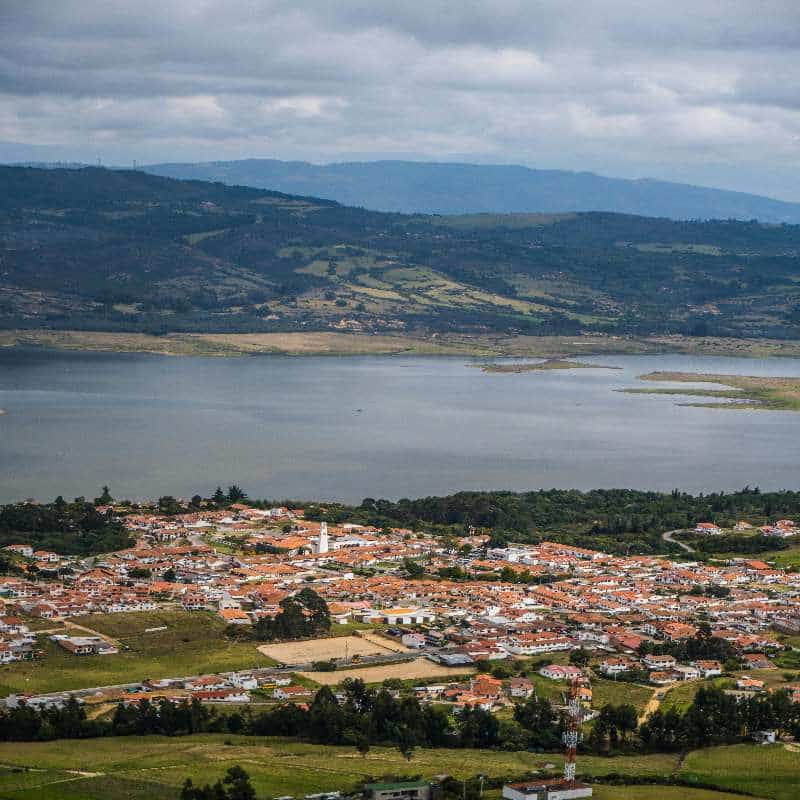
Guatavita Lagoon
Guatavita is tied to the legends that inspired the “El Dorado” story, and it’s a good option if you want history plus fresh air. Weather can change quickly in this region, so bring layers even if the morning looks sunny.
For a deeper breakdown (what’s easiest, what’s worth the time, how to choose between options), use this: day trips from Bogotá guide.
Practical tips (the stuff that keeps your trip smooth)
This isn’t the glamorous part of travel writing, but it’s the part that prevents small problems from becoming big ones. Bogotá is easier when you respect a few realities: altitude, weather swings, and urban common sense.
Altitude: go slower than you think you need to
Bogotá’s elevation is around 2,600m (8,530ft), which is high enough that some travelers feel headaches, shortness of breath, or fatigue—especially if they arrive and immediately try to power through a “full” day. Drink water, sleep, and keep day one lighter than you normally would.
Weather changes fast (dress in layers)
Bogotá can flip from sunny to chilly and rainy faster than you expect. A light rain layer and a warmer mid-layer go a long way. It’s not complicated—just mildly annoying if you ignore it.
Getting around: pick convenience over stubbornness
Bogotá is a big city. Rideshares/taxis can be the simplest option for hopping between neighborhoods, while walking works best once you’re inside a neighborhood like La Candelaria. If you use public transit, plan around peak hours to avoid the most crowded moments.
Safety: use calm, boring habits
Most travelers have a smooth trip in Bogotá, but it’s wise to keep your habits “boringly smart.” Avoid flashing phones on quiet streets, keep valuables secure, and prefer well-lit routes at night. It’s not about fear—it’s about reducing opportunities for petty theft.
Where to stay (quick guidance)
Where you sleep shapes your trip more than people admit. If you want early mornings in museums and historic streets, stay near La Candelaria. If you want easy dinners, a more modern feel, and convenient nights out, consider Chapinero/Zona Rosa.
If you’re undecided, I’d lean Chapinero for first-timers who like comfort and evenings out, and La Candelaria for travelers who love waking up in the middle of history. There’s no perfect choice—just a choice that fits your habits.
Conclusion: making the most of Bogotá
Bogotá isn’t a city you “complete.” It’s more like a place you learn to read—one neighborhood at a time, one museum and meal at a time, with the mountains always hovering in the background. If you plan, start slower than you think you need to, and keep your evenings simple at first, you’ll find there are plenty of things to do in bogota colombia without turning your trip into a checklist.